You're sitting there with your phone in your hand, staring at a missed call from your friend, and you already know it's bad before you call back. When they answer, the story comes out in pieces, there was a crash, the car's damaged, maybe someone's hurt, and now your personal car has turned into an insurance claim.
That's the point where people make the biggest mistake. They keep thinking the question is who was driving, when the core question is whether your friend had permission, what your policy says, and how much coverage you purchased. In Colorado, that difference can decide whether the claim is routine, expensive, or a fight with the insurer.
The Phone Call That Changes Your Insurance
A borrowed-car crash is never just a car problem. The moment your friend tells you what happened, your deductible, your liability exposure, and your insurance record are already in play, even if you were nowhere near the scene.
If your friend was using your car with permission, the owner's policy usually responds first, not the driver's. That's the standard setup described by Forbes Advisor's explanation of a friend crashing your car, and it's why the claim can land on your policy even when you did nothing wrong behind the wheel. If the crash involved injuries or damage to someone else's vehicle, the insurer will start with your auto policy, then sort out fault and coverage from there.
What changes in the first call
Your first job is simple. Find out whether anyone is injured, whether police were called, and whether your friend had clear permission to drive. If the answer to that last question is fuzzy, don't treat it like a side issue. It's the issue.
Practical rule: the insurance company cares less about your friendship and more about consent, coverage, and fault.
A lot of drivers think they're protecting themselves by being calm and casual. That backfires. The insurer will want a clean version of who allowed what, when, and for what purpose. If your friend was a regular borrower, if they were listed on the policy, or if they went outside the scope of permission, those details matter immediately.
The hard truth is that the crash can still affect your insurance record and future premiums even if you weren't behind the wheel. That's why I tell Colorado drivers to treat the first phone call like the start of a file, not a conversation. Write down what your friend said, save texts, and don't assume the insurer will interpret the facts generously.
Why Permission Controls Almost Everything
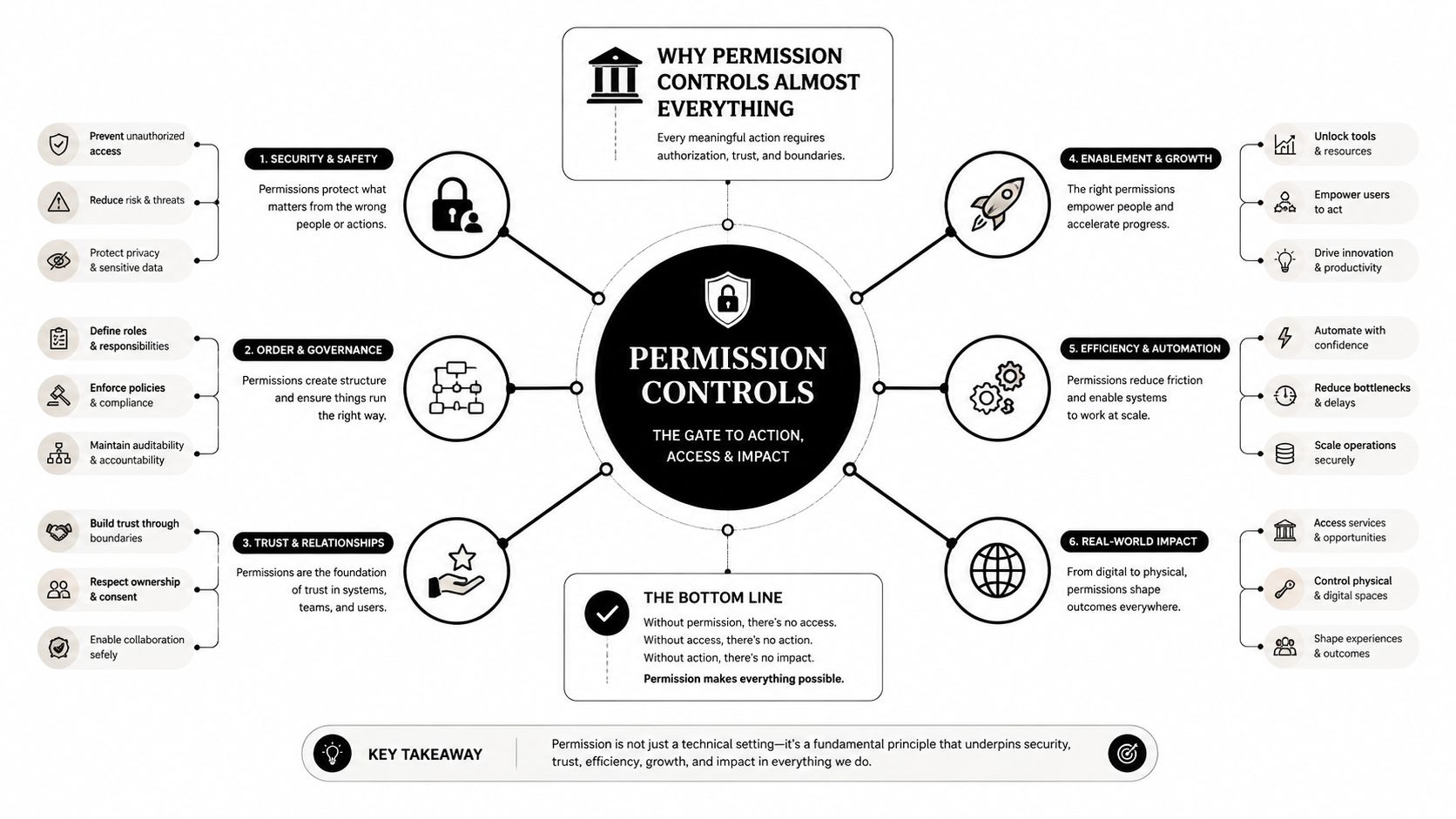
Permissive use is the first thing an adjuster looks for in a borrowed-car crash. In plain English, it means you let someone use your car. In insurance terms, that consent usually decides whether your policy gets pulled into the claim and which carrier starts paying first.
A friend saying, “I'll just run over there real quick,” is not the same as you approving a longer trip, a different driver, or a different purpose. Insurers look at whether the use was express, implied, limited, or outside the scope of what you allowed. That is why the same crash can be handled one way on the phone and another way after the adjuster reviews the facts.
Allstate's guidance says that if someone takes a car without consent, the owner may not be held accountable in the same way, and the borrower's insurance can become primary. With permission, the owner's policy generally responds first. That is the line that matters in real life, not the casual way people talk about “borrowing” a car. Allstate's discussion of a friend wrecking your car makes that distinction plain.
The insurer will look for texts, calls, keys, prior habits, and any boundary you set. If your friend was regularly using the car, expect the company to ask whether they should have been listed on the policy. That is where how permissive use coverage works helps explain why permission and policy language matter more than people think.
You should also separate the type of damage from the type of coverage. If the crash involved another driver or property, the liability side of the claim starts first. If the issue is damage to your own car, the repair question is different, and property damage versus collision coverage becomes the key distinction.
If you gave permission once and then limited it later, document the limit. That is the kind of fact insurers love to ignore if you cannot prove it.
The bottom line is simple. Permission drives coverage. Coverage drives payment. Payment decides whether the claim stays manageable or turns into a personal liability problem.
Which Policy Responds First and What the Deductible Really Buys You
If your friend had permission to use the car, the owner's policy usually pays first. The insurer does not care much about whose hands were on the wheel in the abstract. It cares about whose car it was, what coverage was in force, and whether the driver stayed within the permission you gave.
The policy order matters more than the person driving.
Your friend's own policy usually does not jump in first just because they caused the wreck. The car is the main asset the insurer looks to. If the crash injured another driver or damaged someone else's property, your liability coverage is usually the first layer to respond. If your own car was damaged, collision coverage is what may pay for repairs after you pay the deductible, which is the amount you absorb before the policy money starts.
That deductible is real money, not a paperwork line. If the car can be repaired, you pay that amount and the insurer handles the covered balance under the policy terms. If the loss is bigger than the coverage limits, the extra amount does not vanish. Someone still has to absorb it.
Subrogation is the word people learn too late
When one insurer pays and then seeks repayment from another insurer, that process is called subrogation. You may never hear the term during the first call, but it often shows up later when the carriers sort out who should bear the loss. Policy wording, state rules, and fault can all affect how that reimbursement works, especially when the claim turns into excess loss. Experian's coverage breakdown explains how those layers can shift once another driver is involved.
If you want a clean explanation of how repair coverage and liability coverage split a claim, read this property damage vs. collision explanation. That distinction matters the moment the estimate comes back and the insurer starts assigning parts of the loss to different coverage buckets.
My view: drivers obsess over who was steering and ignore the real money question, which policy limit gets hit first.
There is one practical consequence people miss. If the damage exceeds your limits, the friend's own insurer may become a second layer, but only after your policy is used up. That does not save you from the deductible, the first round of paperwork, or the chance that your own policy record takes the hit.
When Your Friend Crashes Your Car Without Asking
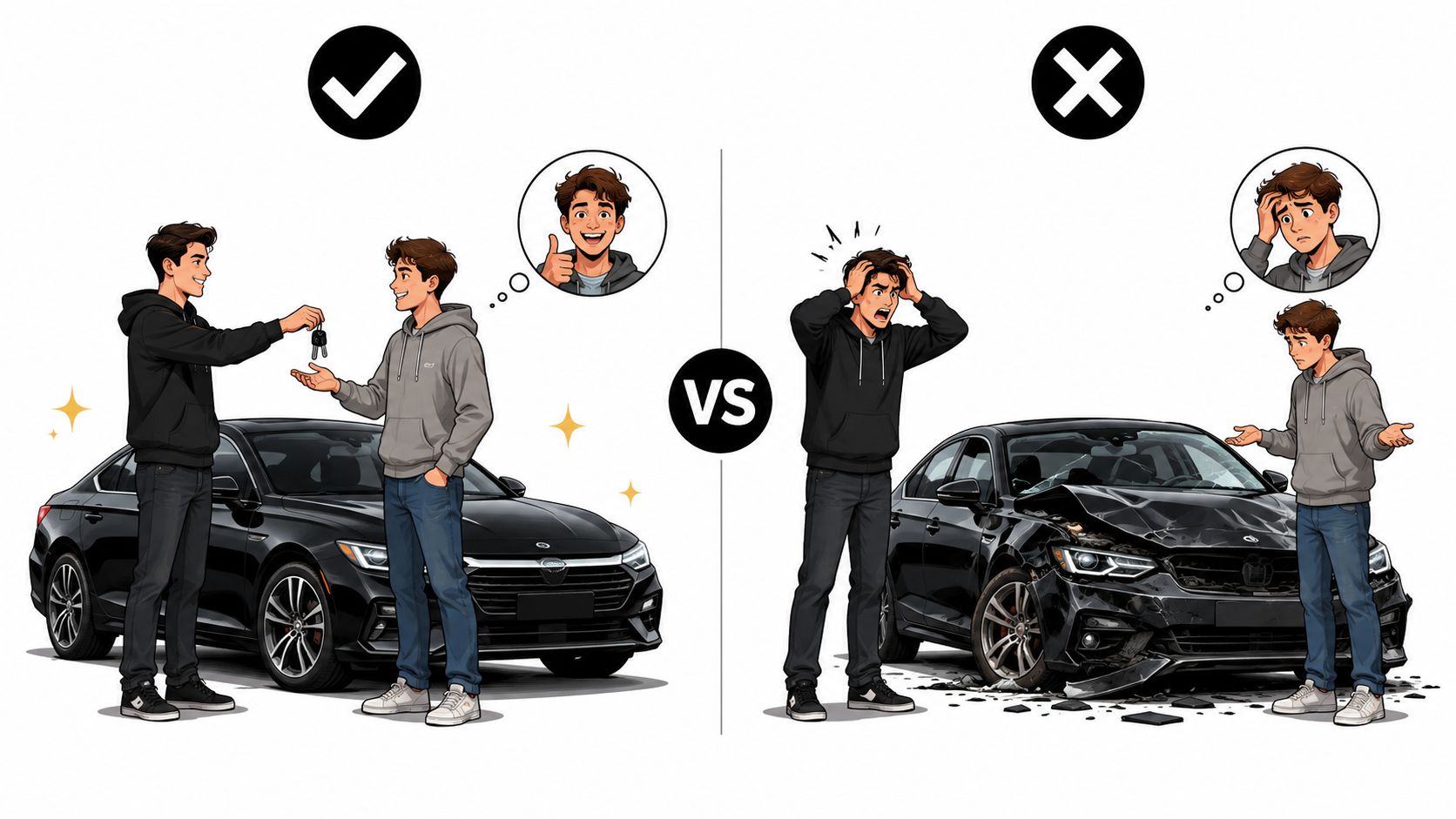
This is the version people don't want to talk about. If your friend took the car without asking, or used it in a way you never approved, the coverage picture can flip hard.
Consent disputes are where claims get ugly
Trustage's coverage overview says coverage usually follows the car when permission exists, but can change substantially if the car was taken without permission or if policy terms impose exclusions. That's exactly where insurers dig in. They look for statements, text messages, prior practice, and any evidence that the driver was outside the scope of permission.
If you told your friend they could drive to dinner and they took the car across town for something else, the insurer may argue the actual use went beyond what you allowed. If they took the keys without asking, the claim can move from permissive use to unauthorized use. That difference can determine whether your insurer pays, limits payment, or denies the claim.
What happens if the claim is denied
A denial doesn't just leave you annoyed. It can leave both you and the driver exposed. The driver may be personally responsible for damage and injury above whatever insurance exists, and the owner can still be pulled into disputes depending on the facts and the state rules. In a serious crash, that can mean being sued as the vehicle owner and as the person who entrusted the car, especially if there are allegations about unsafe driving or a bad decision to hand over the keys.
That's why I push people to document permission before anything goes wrong. A text saying “take it” is far better than a vague memory. A boundary like “use it only to go home and back” is far better than silence.
A claim file gets a lot simpler when the permission trail is in writing.
If your situation involves a disputed borrower, don't let the friend become your spokesperson with the insurance company. That's a common mistake, and it usually makes the consent problem worse. The insurer needs your version, your records, and your policy, not a loose retelling from the person who may have overstepped.
What to Do in the First 48 Hours After a Friend Crashes Your Car in Colorado
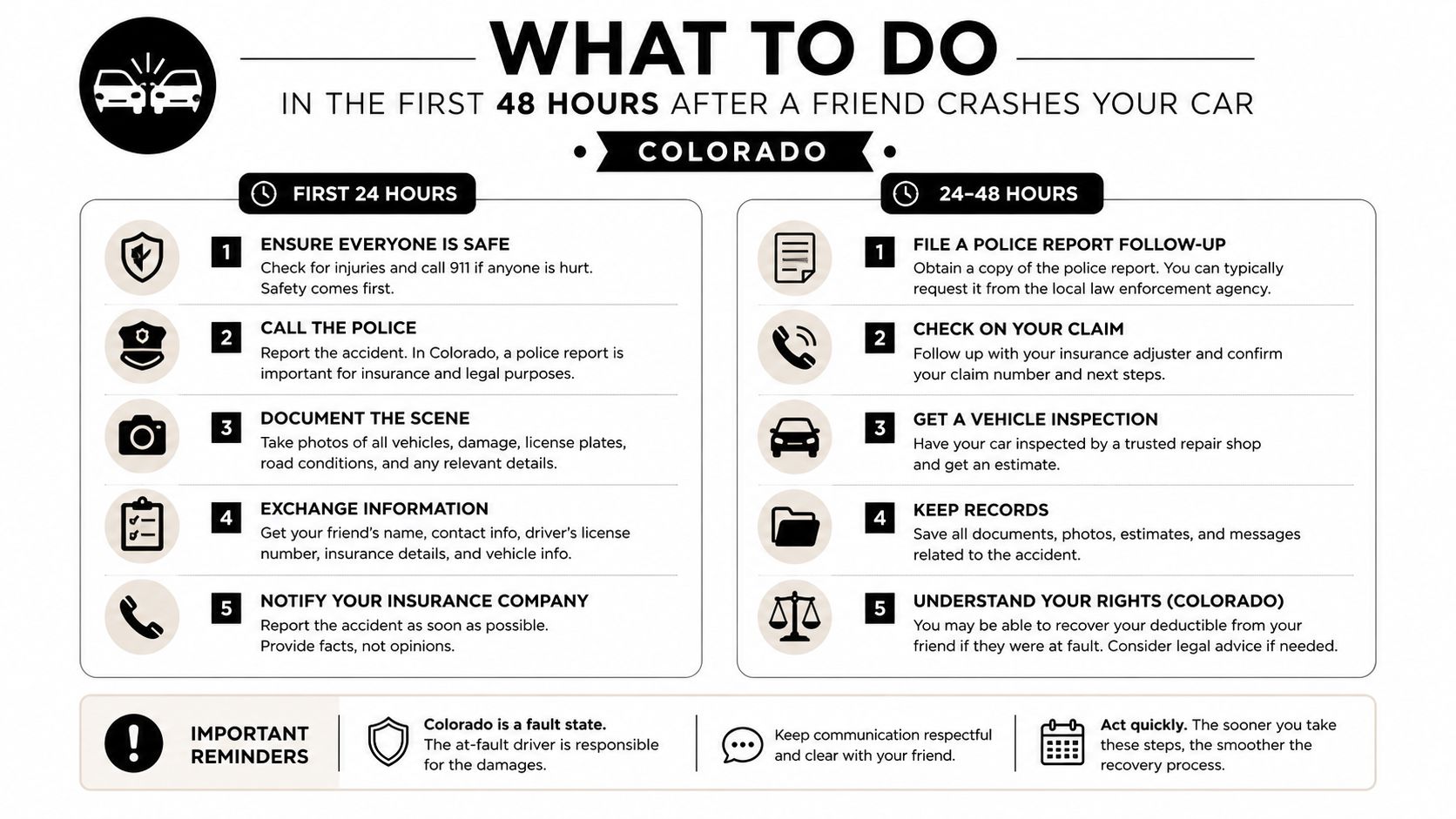
Your first 48 hours matter more than your first instinct. Handle the scene, the report, and the insurance notice in that order, and you'll avoid most of the self-inflicted damage I see in these claims.
Colorado First 48 Hours Checklist
| Step | Why It Matters | Colorado-Specific Note |
|---|---|---|
| Secure the scene | Prevents a bad situation from becoming worse | Use 911 if anyone is hurt or the crash is serious |
| Get the police report started | Creates the first neutral record | Ask for the report number before the scene clears |
| Exchange driver and insurance information | Preserves the claim trail | Get the other driver's details, not just your friend's version |
| Photograph everything | Documents damage before towing or movement | Take wide shots, close-ups, and road-condition photos |
| Notify your insurer promptly | Starts the coverage review | Don't wait for your friend to “handle it” |
| Read your policy before recorded statements | Stops avoidable mistakes | Ask what your policy requires before you speak on tape |
If you want a broader accident-action checklist, these steps to take after a car accident are a good backup reference once everyone is safe.
Don't give the insurer a sloppy version of the facts
The biggest mistake I see is delay. People tell themselves they'll call tomorrow, after the tow, after the estimate, after they calm down. That delay gives the company room to question the timeline and the story. Another mistake is letting the friend “take care of it” with the insurer when the policy is yours and the exposure is yours.
If you're asking how to file the claim without tripping over yourself, this car insurance claim guide is useful because it keeps the process simple and practical. Use it as a checklist, not as permission to be casual.
Colorado drivers should also keep fault in mind. Even when your friend was driving, the crash may involve another driver, a road hazard, or shared responsibility. Don't admit fault at the scene. Don't speculate about speed, distraction, or blame. Say what you know, not what you're guessing.
Save this short list
- Call for help first: Injuries come before insurance.
- Document the scene: Photos beat memory every time.
- Protect the permission story: Save texts and voice messages.
- Report fast: The insurer should hear it from you, not a rumor.
- Read before you talk: A recorded statement can box you in.
The Hidden Costs Most Colorado Drivers Miss
The crash cost doesn't stop when the tow truck leaves. That's the fantasy insurance commercials sell, and it's not how these claims work.
The bills show up in different places
The first hidden cost is your own premium risk. If the claim lands on your policy, the company has a record of an at-fault or otherwise paid loss tied to your vehicle. The second hidden cost is the gap between repair money and replacement reality. If the car is badly damaged, the amount the insurer is willing to pay may not feel like enough to put you back where you were.
There's also rental frustration. Many drivers assume the insurer will keep paying for a replacement car until the shop is done, but claims don't always move that cleanly. If the repair drags, the rental authorization may not match your actual inconvenience. Medical payments coverage can also leave gaps if someone in the car gets hurt and treatment doesn't fit neatly within the policy structure.
Don't ignore the owner's and driver's separate exposure
A borrowed-car crash can leave the owner with out-of-pocket costs, while the driver still faces personal exposure for losses above policy limits. That's the part people miss. The fact that insurance responds first does not mean it responds fully.
If the at-fault friend also has no meaningful coverage, the gap gets wider. The owner's policy may handle the first layer, but it does not magically absorb every extra dollar. That's why disputes over permission, listed drivers, and exclusions matter so much. They decide whether the policy is a shield or just the opening round of payment.
If the crash leads to an arrest or detention issue, a practical step by step release guide may help families deal with the non-insurance part of the fallout while the claim is still unfolding.
Don't think in terms of one bill. Think in terms of layers, deductible, repairs, claim record, and possible personal exposure.
The right move is to treat a borrowed-car crash like a serious financial event, not a temporary inconvenience. That mindset keeps you from making cheap decisions that turn expensive later.
How Three Common Scenarios Actually Play Out
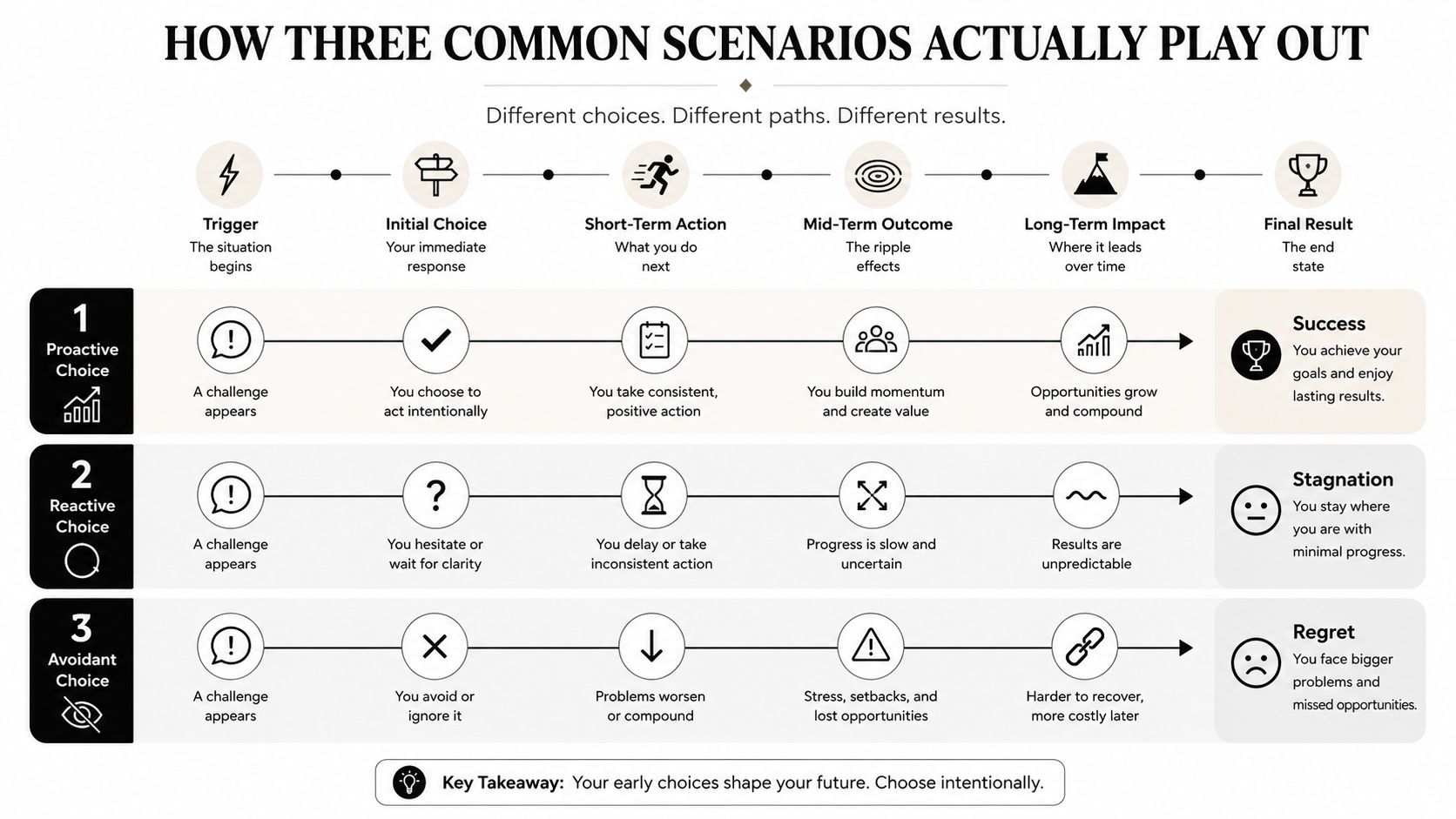
Three versions of this problem show up over and over in Colorado claims. The facts change the outcome more than the emotion does.
Scenario one, a listed borrower causes a mess
A young driver is listed on a parent's policy and borrows a car with permission. They crash it and total it. The owner's policy is still the first place the claim goes, and the policy order follows the vehicle, not the feelings around the borrow. Experian's explanation matches that structure, with liability coverage handling third-party claims and collision handling the owner's car after the deductible.
The timeline is usually straightforward. The insurer opens the claim, inspects the vehicle, and starts sorting out repair or total-loss issues. The owner still feels the cost because the claim rides on that policy, even when the borrower was listed and permission was clear.
Scenario two, permission was stretched or denied
A driver uses the car for a trip the owner never approved, or takes it without asking at all. Now the insurer starts asking about consent, prior practice, and scope. If coverage is denied or narrowed, the driver may face direct personal exposure, and the owner may be dragged into the dispute while everyone argues over the same key question, whether the use was authorized.
Scenario three, injuries push the case past policy limits
A multi-vehicle crash creates injuries, property damage, and layered claims. The owner's liability coverage is still first in line, but once the policy limits are used up, excess exposure can shift depending on the state, the wording, and the driver's role in causing the crash. That's where personal injury claims, medical treatment, and settlement pressure start to control the outcome.
If you want a legal-advice framework for sorting out whether a claim is getting serious enough to lawyer up, when to hire a personal injury attorney is the right place to start.
When a Colorado Car Crash Warrants a Call to an Attorney
Most borrowed-car crashes don't need a lawyer. The ones that do usually announce themselves quickly.
Red flags that mean you should get advice fast
If the insurer is denying permission, blaming you for the borrower, or stalling on coverage, that's a problem. If someone was seriously hurt, if the vehicle may be totaled, or if there's any possibility the claim will exceed policy limits, don't handle it like a casual property-damage issue. You need someone who knows how Colorado claims move and who can pressure the insurer before the file hardens.
Colorado drivers should also pay attention to the legal deadline for filing claims. I'm not going to guess at the number here, because the exact deadline depends on the type of claim and the facts. What matters is that waiting too long can hurt your position, and that position is what gets insurers to pay attention.
When the friend may need their own lawyer
If your friend was at fault, uninsured, impaired, or outside permission, they may face personal exposure. That can mean a lawsuit, a coverage dispute, or both. If the crash involved traumatic brain injury, wrongful death, or a serious bodily injury claim, the stakes climb fast and the paperwork starts working against you.
Here's the practical point. Insurance companies are good at handling easy claims. They are not generous when the file gets messy. If the adjuster is pushing a recorded statement, narrowing consent, or trying to make you accept an outcome that doesn't match the facts, get legal help before the paper trail closes.
Nares Law Group LLC handles motor vehicle crash claims, and in the right case it can coordinate with the owner's carrier, the at-fault driver's carrier, and medical providers while the claim is open. That kind of coordination matters when the insurance company is already trying to shape the story.
If your friend crashed your car and the insurer is already making it hard, don't wait for the second problem to show up. Call Nares Law Group LLC at Nares Law Group and get a straight answer about what coverage you have, who may be liable, and what to do next.