You climb out of your sedan after a tractor-trailer hits you from behind. Your hands are shaking, but you can walk, answer questions, and call your family. You assume that means you escaped without a serious injury. Later, your head starts pounding, your neck stiffens, or a deep ache develops beneath your seatbelt.
Being able to walk away doesn't rule out an injury. Some problems are obvious immediately. Others become noticeable after you get home, try to sleep, or return to work.
The scale of the problem is substantial: NHTSA estimated 153,452 people were injured in crashes involving large trucks in the United States in 2023. That total includes many different injuries, not a diagnosis or a prediction of how you'll recover.
Start with your health: Don't wait for an insurance adjuster's approval to seek medical attention, and don't use the absence of bruising as a reason to dismiss symptoms.
These common truck accident injuries can overlap. Knowing what may appear in the first hours, what can surface later, and which symptoms need emergency care helps you make safer decisions while preserving an accurate record.
1. Traumatic Brain Injury (TBI)
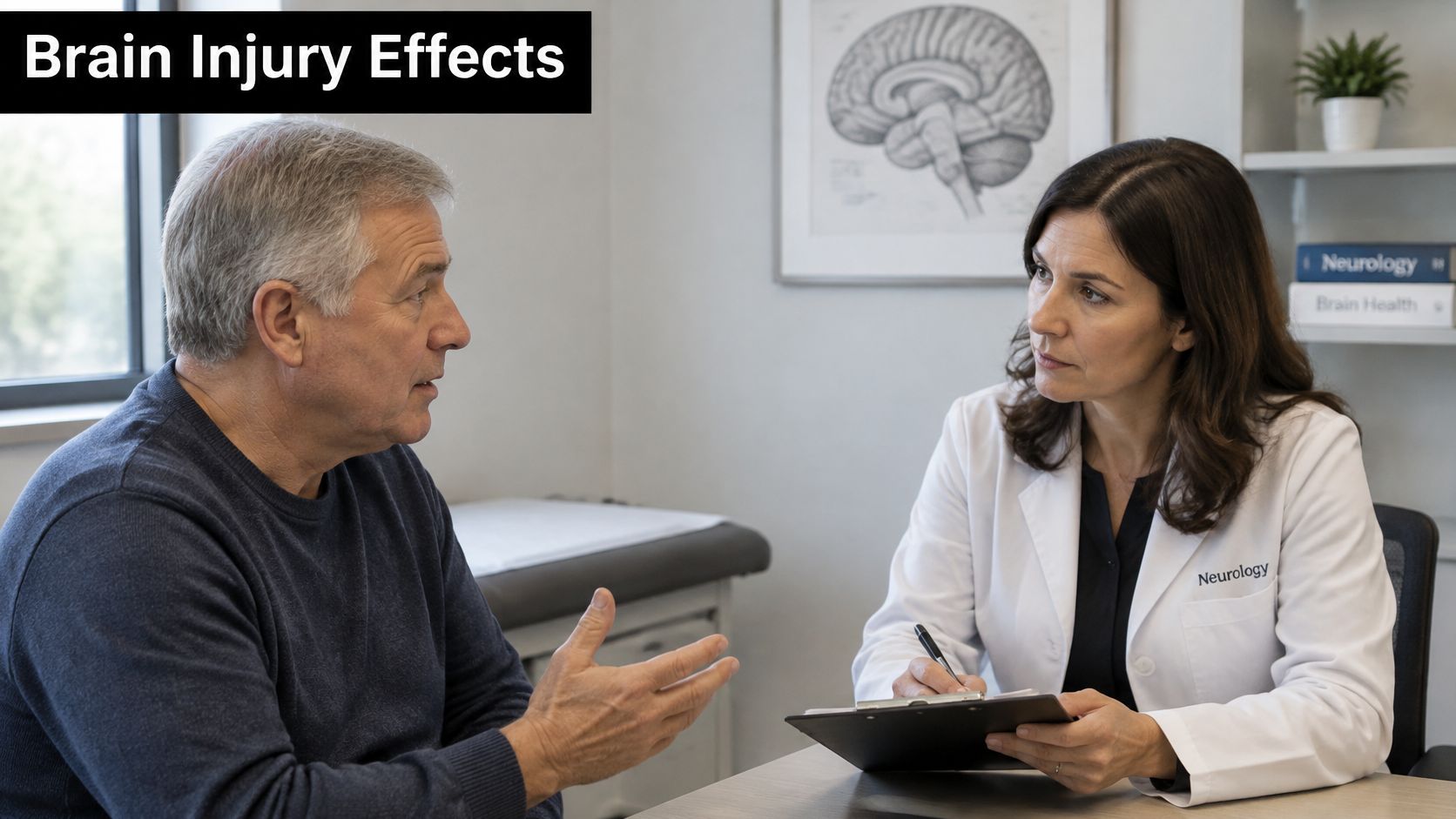
A concussion doesn't always involve loss of consciousness or a visible head wound. A sudden jolt can disrupt brain function even when your head doesn't strike the windshield or steering wheel.
During the first hours, you might feel dazed, nauseated, dizzy, or unusually sensitive to light. Over the following days, difficulty concentrating, disrupted sleep, irritability, or memory lapses may become more apparent. The CDC's traumatic brain injury guidance identifies motor-vehicle crashes as a cause of TBI and supports taking changes in brain function seriously.
Watch for changes after discharge
Say you leave the emergency department speaking normally, then struggle to follow a familiar work task the next morning. That change deserves medical follow-up, not an assumption that you're stressed. A normal CT scan doesn't rule out concussion.
- Seek emergency care now: A worsening severe headache, repeated vomiting, seizure, increasing confusion, weakness, or difficulty waking requires immediate attention.
- Record specific changes: Note missed appointments, trouble reading, headaches, and sleep changes. Ask family members to record observations without coaching your answers.
- Follow activity instructions: Ask your clinician when it's safe to drive, work, exercise, or resume activities that risk another head injury.
Keep discharge instructions, specialist referrals, and work restrictions together. Understanding delayed traumatic brain injury symptoms can help families recognize changes, but an online explanation can't replace an individualized evaluation.
2. Spinal Cord Injuries
New weakness or numbness after a crash isn't something to stretch away. Damage to the spinal cord can affect movement, sensation, breathing, and bladder or bowel function. It's different from an ordinary back strain, although someone at the scene may not be able to distinguish them.
In the first hours, warning symptoms can include severe neck or back pain, tingling, loss of sensation, or difficulty moving a limb. Don't test your ability to walk if you suspect a spinal injury. Stay as still as circumstances safely allow and let emergency personnel manage movement.
Treat changing nerve symptoms as urgent
Symptoms can change after the initial evaluation. New weakness, difficulty breathing, loss of bladder or bowel control, or numbness around the groin requires emergency reassessment. Don't wait for a scheduled therapy appointment.
For example, someone whose car is crushed beneath a trailer may need surgical stabilization followed by rehabilitation. The important record isn't just the operation, but also whether that person can transfer from bed, dress, bathe, or use stairs independently.
- Save the clinical record: Keep imaging reports, surgical notes, discharge instructions, and rehabilitation assessments.
- Document assistance: Record the tasks family members or paid caregivers perform and why assistance is necessary.
- Track equipment needs: Preserve receipts and recommendations for mobility aids, adaptive equipment, and home modifications.
A diagnosis describes the injury. Functional records explain what the injury changes in everyday life.
Future needs should come from treating professionals and appropriate care-planning experts, not a generic online estimate.
3. Fractures and Orthopedic Injuries
A broken leg may be unmistakable. A rib, wrist, or small joint fracture can be less obvious, particularly when another injury hurts more.
Early symptoms include localized pain, swelling, bruising, deformity, or difficulty bearing weight. Don't force a painful joint through its range of motion to decide whether it's broken. A clinician may need imaging and a hands-on examination.
Recovery involves more than bone healing
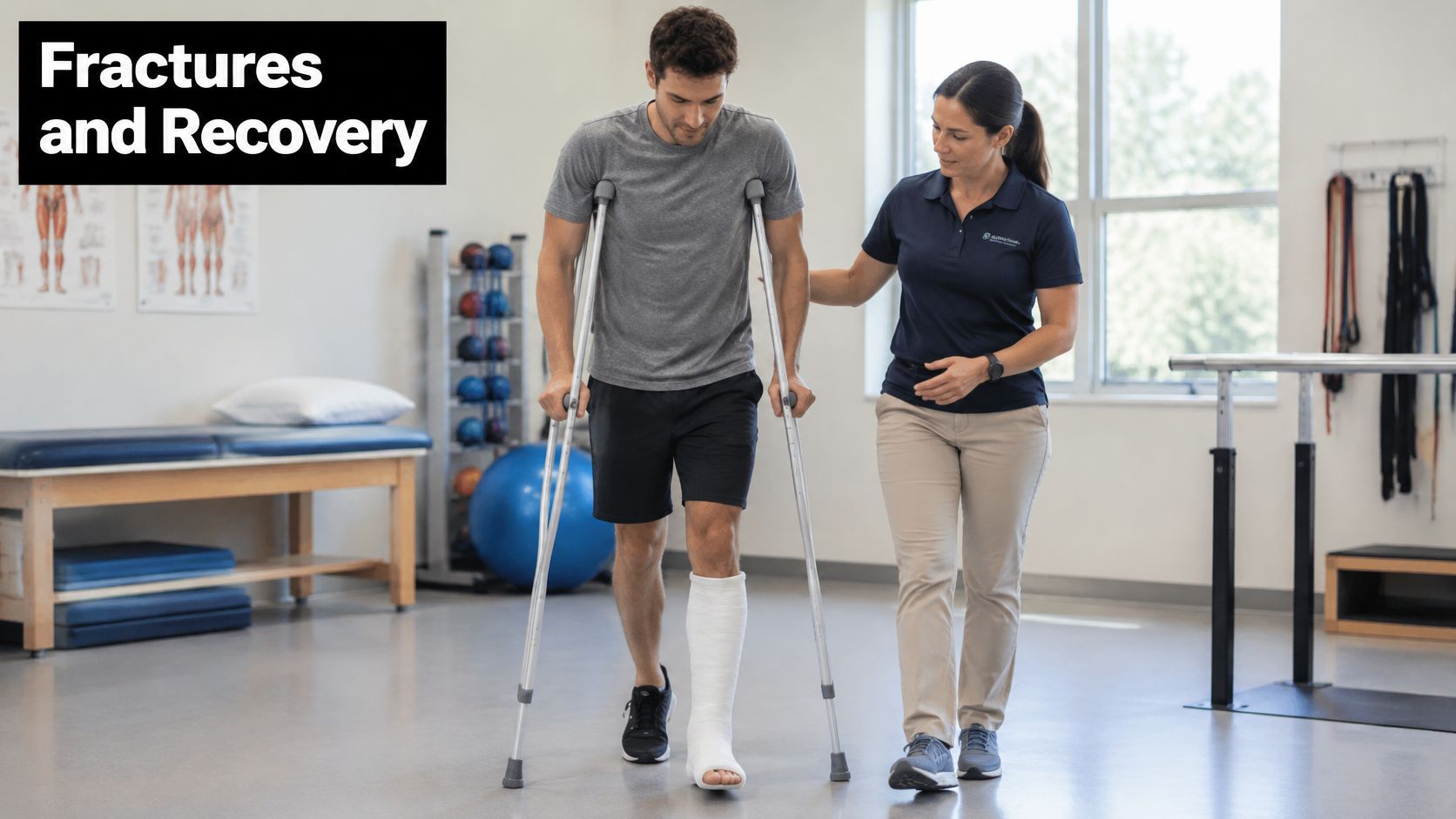
Days or weeks later, persistent joint instability, stiffness, or pain may reveal a ligament injury or another problem that needs reassessment. Some fractures heal with immobilization; others require surgery and hardware. Your ability to return to work depends on the injury and the actual demands of your job.
Say a delivery driver suffers a wrist fracture. Being able to type briefly doesn't establish that lifting packages or gripping a steering wheel all day is safe.
Go to the emergency department for an open wound over a suspected fracture, a cold or pale limb, new loss of sensation, or rapidly increasing pain and swelling. Severe pain beneath a cast also needs urgent assessment.
For documentation, photograph visible swelling and healing scars without removing dressings against instructions. Keep orthopedic reports, therapy notes, employer records, and written lifting or weight-bearing restrictions.
Ask the treating clinician to address unresolved limitations and possible future treatment. Don't confuse improvement with a settled prognosis, especially when another procedure or continued rehabilitation remains under consideration.
4. Internal Organ Injuries
Internal bleeding may not leave a visible wound. Blunt force from the collision, vehicle intrusion, or pressure across the torso can injure organs in the chest or abdomen.
During the first hours, symptoms may include chest pain, abdominal tenderness, shortness of breath, nausea, dizziness, or unusual weakness. Tell the emergency team where the seatbelt pressed and whether your chest or abdomen struck anything. A seatbelt mark deserves attention, but its absence doesn't establish that your organs are unharmed.
Don't monitor emergency symptoms at home
Go to the emergency department now for worsening abdominal pain, fainting, breathing difficulty, a swollen or rigid abdomen, coughing or vomiting blood, or blood in your urine. If you feel faint or unstable, call emergency services rather than driving yourself.
For example, a passenger may initially focus on shoulder pain, then develop increasing abdominal pain after discharge. The right response is reassessment, not waiting to see whether the next meal settles the discomfort.

Over the following days or weeks, report persistent fatigue, digestive changes, reduced exercise tolerance, or breathing limitations. These symptoms don't identify a particular organ injury on their own, but they give clinicians a reason to investigate.
Preserve ambulance records, scan reports, laboratory results, operative notes, and discharge instructions. Write down when symptoms began and how they changed, including symptoms that appeared after your initial examination.
Health comes before recordkeeping. A family member can collect paperwork while you receive care.
5. Soft Tissue Injuries, Including Whiplash
You may notice neck stiffness only when you turn to check traffic the morning after the crash. Whiplash and other soft tissue injuries can affect muscles, tendons, and ligaments without producing a broken bone.
Early symptoms can include soreness, muscle spasm, headaches, and reduced movement. Days later, you may discover that sitting through a meeting, carrying groceries, or sleeping comfortably is difficult. Pain that wasn't immediate still deserves an accurate medical history.
Describe function, not just pain
A useful example is a warehouse employee who can walk normally but can't repeatedly bend or lift without back spasms. A brief examination may not capture the demands of that work unless the employee explains them.
- Get reassessed for nerve symptoms: New weakness, worsening numbness, difficulty walking, or bladder or bowel changes needs urgent evaluation rather than routine massage or stretching.
- Keep practical notes: Record where pain occurs, what triggers it, how long activity lasts before you must stop, and what helps.
- Explain treatment barriers: If cost, transportation, or scheduling prevents attendance, tell the provider and document the problem rather than disappearing from care.
A scan that doesn't show a fracture doesn't prove that every painful structure is uninjured. At the same time, pain alone doesn't establish its cause or long-term prognosis.
You can browse gentle neck recovery support, but clear any device or exercise with your treating clinician. Comfort measures may help symptoms; they don't replace assessment, appropriate rehabilitation, or written activity restrictions.
6. Crush Injuries and Amputations
When a limb is pinned inside a damaged vehicle, the injury can extend beyond what the skin shows. Compression can damage muscle, nerves, blood vessels, and bone.
The first hours require emergency care. Don't attempt to free someone from heavy wreckage yourself or manipulate a crushed limb. Emergency responders must address both extraction and the person's medical condition.
Watch the limb after initial treatment
Increasing pressure inside injured tissue can threaten circulation. Severe escalating pain, tense swelling, new numbness, or a pale or cold hand or foot requires emergency reassessment. Don't assume worsening pain is an expected part of recovery.
Over subsequent days or weeks, wound problems, infection, loss of function, and nerve pain may complicate treatment. When tissue can't be preserved safely, amputation may be necessary. Rehabilitation can involve prosthetic fitting, occupational therapy, and help adapting everyday tasks.
Document the whole task: Needing help to prepare food matters even if you can still bring a fork to your mouth.
For example, someone with a severe hand crush injury may regain some movement but still be unable to operate tools safely. Records should distinguish basic movement from useful grip, endurance, and fine motor control.
Keep surgical reports, wound-care notes, therapy assessments, and prosthetic recommendations. Save records of repairs, fitting adjustments, transportation, and necessary adaptations.
Long-term needs should reflect the person's actual work and home environment. A device purchase isn't the end of rehabilitation, and an initial return to work doesn't necessarily mean the person has recovered their previous capacity.
7. Burn Injuries
Burns after a truck collision may come from fire, hot surfaces, electrical sources, or spilled chemicals. A small-looking burn isn't necessarily superficial, and pain alone isn't a reliable measure of depth.
In the first hours, clinicians need to assess the burn, the substance involved, and any possible smoke exposure. Facial burns, breathing difficulty, hoarseness after smoke exposure, or chemical and electrical burns warrant emergency attention. Don't apply ice, grease, or an unapproved cream, and don't pull away clothing stuck to burned skin.
Follow the wound through healing
Days later, increasing redness, drainage, fever, worsening pain, or an unwell feeling needs prompt medical reassessment. As wounds heal, tight scars may restrict movement, especially across hands or joints. Follow the burn team's dressing and rehabilitation instructions rather than changing products based on advertising.
Say a driver burns a hand while escaping a damaged cab. Closing the wound is an important milestone, but grip, sensitivity, and the ability to tolerate work gloves may remain unresolved.
- Photograph safely: Document wounds and scars when dressings are changed as directed, without delaying care.
- Preserve treatment details: Keep graft records, wound-care instructions, therapy notes, and prescribed scar-management plans.
- Record practical effects: Note difficulty sleeping, dressing, handling heat, or performing work tasks, along with any emotional effects.
Ask counsel to preserve available photographs and records identifying spilled cargo or other substances. Don't return to an unsafe scene to gather them yourself.
Scarring and function both matter. A healed surface doesn't necessarily mean the person no longer needs care.
8. Psychological Trauma, Including PTSD
After a frightening collision, you may feel tense, tearful, numb, or unable to sleep. Those early reactions don't automatically establish a psychiatric diagnosis, but they deserve attention when they're severe or interfere with daily life.
Over the following days or weeks, nightmares, intrusive memories, panic in traffic, or avoidance of driving may become more apparent. A clinician can assess whether symptoms reflect PTSD, anxiety, depression, another condition, or overlapping problems.

Record what avoidance changes
For example, a commuter may resume desk work but avoid highways so completely that getting to the office becomes difficult. Documenting the changed route, missed work, and symptoms gives the treating professional more useful information than reporting stress.
Get emergency help if you have thoughts of harming yourself or someone else, or can't keep yourself safe. Don't remain alone while trying to manage an immediate crisis.
Keep appointment records, medication changes, referrals, and specific examples of disrupted sleep or activities. Tell providers about head injuries too, because cognitive, emotional, and sleep symptoms can overlap.
Refresh Psychiatry crash trauma guidance offers additional context, but diagnosis and treatment should remain individualized. You don't need to wait until physical rehabilitation ends to ask for mental health support.
Documentation may also matter when evaluating emotional distress damages. Whether a claim supports recovery depends on the facts and applicable law, not the presence of a diagnostic label.
Common Truck Accident Injuries at a Glance
| Item | Typical Onset | Key Warning Signs | Long-Term Risk | Seek Care Right Away If |
|---|---|---|---|---|
| Traumatic Brain Injury (TBI) | At impact; symptoms may appear hours or days later | Headache, dizziness, confusion, memory problems, loss of consciousness, seizures | Persistent cognitive, mood, or behavioral changes; possible permanent damage | You hit your head, lose consciousness, have a seizure, or develop worsening confusion or severe symptoms |
| Spinal Cord Injuries | Usually at impact | Loss of movement or sensation, severe neck or back injury, bladder or bowel problems | Paralysis, chronic pain, loss of bladder or bowel control, lifelong care needs | You suspect a spinal injury or notice weakness, numbness, paralysis, or loss of bladder or bowel control |
| Fractures and Orthopedic Injuries | Usually at impact | Severe pain, visible deformity, swelling, limited movement, open wound | Stiffness, instability, arthritis, or need for further surgery | A bone is visibly deformed or exposed, pain is severe, or the injured area cannot be moved |
| Internal Organ Injuries | At impact; symptoms may be delayed | Abdominal pain, dizziness, rapid heartbeat, shortness of breath, signs of shock | Infection, scarring, reduced organ function, or ongoing complications | You have abdominal pain, breathing difficulty, dizziness, rapid heartbeat, or signs of shock |
| Soft Tissue Injuries, Including Whiplash | At impact or developing over several days | Neck stiffness or pain, headaches, dizziness, shoulder or arm pain | Chronic pain, reduced range of motion, or nerve irritation | Pain is severe or worsening, or you develop significant dizziness or arm symptoms |
| Crush Injuries and Amputations | At impact or while a body part is compressed | Severe limb injury, loss of function, intense pressure, damaged skin or tissue | Permanent loss of function, amputation, kidney failure, ongoing rehabilitation needs | A body part is trapped or severely crushed, or you suspect compartment or crush syndrome |
| Burn Injuries | At exposure | Deep or widespread burns, blistering, damaged skin, signs of infection | Scarring, restricted movement, infection, or lasting disfigurement | Burns are deep or widespread, involve hazardous chemicals, or affect breathing |
| Psychological Trauma, Including PTSD | May emerge weeks or months after the crash | Flashbacks, nightmares, avoidance, hypervigilance, sleep problems, anxiety | Ongoing PTSD, depression, or effects on work and relationships | You have thoughts of self-harm or feel unable to stay safe |
What to Do Next After a Truck Crash
Any head impact, abdominal pain, numbness, or delayed pain deserves prompt medical evaluation. Emergency warning signs require emergency care, not a routine appointment or a call to the insurance company. If you've already been discharged and develop new symptoms, explain what changed and when.
Don't judge your recovery against a national crash total. NHTSA's large-truck injury reporting counts injured people rather than providing a clinical breakdown of fractures, spinal injuries, or brain injuries. Your examination findings, treatment course, and functional restrictions are more useful for understanding your situation.
Make the record useful without making it your full-time job
Start a folder for discharge paperwork, referrals, prescriptions, bills, and employer correspondence. Add brief symptom notes in your own words, including improvements. An honest record should show what you can do as well as what remains difficult.
- Describe the crash accurately: Tell clinicians about head movement, impacts, restraint use, and where your body hurt initially.
- Keep restrictions in writing: Obtain clear instructions about lifting, driving, screen use, and returning to work.
- Preserve existing evidence: Save vehicle photographs, witness contact information, and relevant messages without editing the originals.
- Explain missed care: Tell the treatment team when cost, transport, or symptoms prevent attendance so they can discuss alternatives.
Before returning to travel or unfamiliar activities, you can review the safety guidelines relevant to your plans. General safety advice doesn't replace your clinician's crash-specific restrictions.
Medical records document injury, but they don't automatically establish fault. A truck-crash investigation may also need vehicle evidence, witness accounts, and expert analysis. Don't delay medical care while waiting for someone to resolve liability.
At Nares Law Group LLC, our Denver-based team has represented people with traumatic brain injuries, concussions, and catastrophic injuries caused by truck accidents. We collect medical records, accident reports, witness statements, and expert opinions to evaluate liability and the effects of an injury. The purpose is to understand the individual person's losses, not assign a value based solely on an injury name.
Nares Law Group LLC offers free consultations for people injured in truck crashes and families seeking guidance about injury documentation and potential claims. Visit Nares Law Group LLC to discuss your symptoms, treatment records, missed work, and questions about what to preserve next.