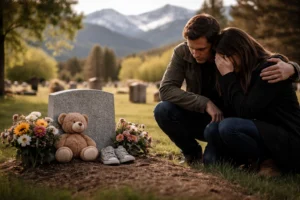
There are losses that don’t fit into normal life. When the unthinkable happens, families often describe the same feeling: time keeps moving, but you don’t. In the days after Wrongful Death of a Child in Colorado, you might be fielding calls, searching for answers, and trying to protect your other kids, all while your heart feels completely split open.
This article is here to reduce confusion, not add pressure. It’s written for Colorado families who want to understand what Wrongful Death of a Child in Colorado means in real terms, what steps help protect your options, and how legal and insurance decisions can shape the months ahead. Nares Law Group handles serious injury and wrongful death cases across Colorado, including truck wrecks, motor vehicle crashes, and catastrophic injury claims that change families forever.
Why The First Conversations After A Child’s Death Can Feel So Hard
After a fatal incident, people rarely come to a lawyer with a neat timeline. They come with fragments. A police report number. A voicemail from an adjuster. A screenshot of a text. A memory of a phone call they barely remember taking. Some families are already hearing about a “wrongful death claim” before they’ve even had a chance to breathe.
And then the questions start:
- Was this preventable, or was it due to the wrongful act or actions of another party?
- Who has the right to file and who is eligible to file a wrongful case for our child?
- What happens if the insurance company is pushing a settlement quickly?
- How do we protect our family’s future without feeling like we are putting a price on our child?
Those questions are normal. They’re also the start of understanding why early clarity matters, especially in Wrongful Death of a Child in Colorado, where timing, paperwork, and family relationships can affect everything.
Understanding Wrongful Death After the Loss of a Child in Colorado
In plain language, wrongful death is a legal claim that can be brought when a death occurs because of someone else’s negligence or misconduct. In Colorado wrongful death situations, that can include:
- Serious car crashes and multi-vehicle collisions with an at-fault driver
- Commercial truck and delivery vehicle impacts
- Unsafe property conditions
- Dangerous products or equipment failures
- Medical malpractice
- Fatal pedestrian and bicycle crashes
When the wrongful death of a minor is involved, the emotional weight is heavier, and the practical steps can feel even more impossible. Still, the legal system focuses on evidence, responsibility, and what losses can be proven.
This is where a wrongful death lawyer or an experienced attorney can help bring structure. A strong wrongful death case is not built on emotion alone. It is built on facts that show someone was negligent, and that the child’s death happened due to the wrongful choices or failures involved.
Families often ask if they should pursue a wrongful death claim right away. You don’t have to decide everything on day one. But it helps to understand your legal options early so your choices don’t shrink later.
Who Can File and Why Relationships Matter
Colorado law sets rules around who has the right to file a wrongful death claim. Colorado’s wrongful death framework restricts who can file, and that surprises many families in the middle of grief.
The rules come from the Colorado Revised Statutes, including the Colorado wrongful death statute under the Death Act, specifically § 13-21-201. This wrongful death law sets out who may file and when.
Here’s the part families usually need explained in plain terms:
- In some cases, a surviving spouse may file first.
- In other situations, surviving spouse and children may have defined filing windows.
- In cases involving a child’s death, parents can file, and parents may file depending on the circumstances. In some families, parents can file a wrongful death claim together or one parent may file.
- If there is a valid designated beneficiary, a designated beneficiary can file, and a designated beneficiary may be able to file under certain conditions.
- The law also talks about heirs of the deceased, including how an heir may be recognized.
- In some rare family structures, questions can arise involving siblings of the deceased and even siblings and their heirs.
This is why “who is grieving the most” is not the legal test. The legal test is who is able to file, who may file, and who may be able to file based on the statute.
One more point families ask about: “Can the kids file?” In general, children can file only in very specific legal circumstances that depend on the structure of the claim and the statute. That’s another reason a quick review early helps prevent confusion and conflict later.
First Week Guidance for Families After a Sudden Loss
You are not expected to be organized right now. But there are a few simple steps that can protect your options while you are still in shock. This matters in Wrongful Death of a Child in Colorado, because early paperwork can quietly lock you into a path.
Here is a practical starting list you can keep on your phone:
- Save all paperwork and communications from insurance companies.
- Write down names and phone numbers of anyone who contacted you about the incident.
- Keep photos, videos, dashcam clips, and texts, even if you think they are “small.”
- Avoid signing documents or accepting checks until you understand what rights you are giving up.
- If a commercial truck was involved, avoid recorded statements until you have guidance.
- Keep a note of the date of death and, if known, the time of death, because those details can matter later in the legal timeline.
- If you plan to move forward, you can file a claim when you’re ready, but don’t let anyone pressure you into rushing the process.
None of these steps require you to be “ready.” They just help keep important information from disappearing during a time when you are running on fumes.
How Colorado’s Geography Can Affect Fatal Accident Cases
Colorado driving conditions are part of daily life. So are highways that change from dry pavement to slick conditions fast. Families often reach out after tragedies connected to major corridors and areas like:
- I-25 and I-70, where speed and congestion can collide
- Front Range commuter traffic, where distracted driving is common
- Mountain routes, where weather and visibility shift quickly
- Busy metro intersections, where left turns and red lights become flashpoints
- Freight-heavy stretches near Denver
Even if you do not know every detail yet, location can matter. It can affect what evidence exists, what agencies responded, and how quickly key records can be requested. In truck cases, early preservation can be critical, because multiple parties can be involved, and paperwork can start “reshaping” the story fast.
What Compensation Really Means for Families
Families often pause when the conversation turns to money. That reaction makes sense. But the purpose of compensation in a Colorado wrongful death claim is not to measure a child’s worth. It is meant to recognize real losses that follow a preventable death and to reduce the financial harm a family did not choose.
Depending on the situation, damages in a wrongful death case may include:
- Funeral and burial expenses
- Medical bills related to the incident before the child passed
- Loss of companionship
- Costs tied to counseling and long-term support for the family
- Economic losses that affect the household’s stability
- Non-economic damages tied to the relationship and the impact of the loss
Families also ask about “the cap.” Colorado has limits that may apply, including a potential cap on non-economic damages in certain cases. That is one reason an early review helps you understand what categories of damage apply and what proof is needed.
A key point here: a wrongful death claim is not only about bills. It’s also about the real-life damage your family is now living with, day after day.
How Deadlines Work for Wrongful Death of a Child in Colorado cases
When families hear “deadline,” it can feel harsh. But the statute of limitations is real, and it matters in Wrongful Death of a Child.
In many cases, Colorado’s wrongful death timeline requires families to bring a wrongful death claim within two years, meaning you generally must file within two years of the date connected to the death. That’s why people will mention the statute, the wrongful death statute, and the statute of limitations for wrongful death. You may also hear it described as limitations for wrongful death.
Because details can change the analysis, families often ask an attorney to confirm exactly when they must file. That’s not being dramatic. It’s being careful.
This is also where the “right to file” question becomes urgent. If the wrong person files, or the timing is off, it can complicate a claim later. When you’re ready, a lawyer can explain who may file a wrongful death, who is eligible to file a wrongful claim, and what steps to take if you decide to file a wrongful death claim.
How to Handle Early Insurance Pressure
Insurance companies often reach out quickly. Some adjusters are polite. Some feel cold. Either way, the pace can feel like whiplash, especially while you are still processing a loss.
In the middle of Wrongful Death of a Child in Colorado, it is common to hear phrases like:
- “We just need a statement.”
- “This is our best offer.”
- “If you wait, it could take longer.”
You are allowed to slow it down. You are allowed to ask for everything in writing. You are allowed to say you are not ready to talk details. And you are allowed to get legal guidance before you sign anything, especially if a release is involved.
This is where families sometimes decide to speak with a wrongful death lawyer, or with Colorado wrongful death lawyers who understand how to deal with early pressure. If you’re in Denver, you may also hear people mention Denver wrongful death attorneys because local knowledge can help with records and agencies.
How Truck Crashes and Catastrophic Injuries Can Change the Case
If your child’s death involved a commercial vehicle, the case can be more complicated than a standard passenger car collision. Responsibility can involve more than one party, and evidence can be time-sensitive.
That may include:
- The driver
- The trucking company
- Maintenance providers
- Cargo loaders
- Other entities connected to safety decisions
These cases can involve multiple layers of insurance. That is one reason families facing Wrongful Death of a Child in Colorado often benefit from early legal involvement. It is not about rushing litigation. It is about preserving evidence and protecting your options before the story gets rewritten by paperwork.
Two Helpful Resources From Nares Law Group
If you want to read more at your own pace, these pages can help you understand how the firm approaches serious cases:
- Read about support and legal strategy on our wrongful death representation page
- Learn how we handle large collision cases on our truck wreck practice page
A Steady Next Step For Colorado Families
If you are living through Wrongful Death of a Child in Colorado, you do not have to carry the legal side alone. A conversation with Nares Law Group can help you understand what qualifies as a wrongful death claim, who has the right to file, and what evidence should be protected now, even if you are not ready to make big decisions.
A careful review can also help you understand whether your family may be entitled to pursue compensation, what damages in a wrongful death case may include, and what the statute means for timing.
You can start with one goal: a clear timeline and a clear plan. If you decide to move forward, you will do it with guidance, not pressure. If you decide not to, you will still walk away with clarity that helps you protect your family and, when you’re ready, seek justice in a way that honors your child.