A crash in Boulder can turn an ordinary day into a blur. One minute you're driving home, biking through an intersection, or walking across a parking lot. The next, you're answering insurance calls, trying to remember what happened, and wondering whether the pain in your neck or back will get worse tomorrow.
Seeking a personal injury attorney Boulder is generally not driven by a wish to file a lawsuit. Instead, individuals begin their search because life suddenly feels unstable. Medical care needs attention. Work may be interrupted. Bills keep showing up. The other driver's insurance company may sound friendly, but you can still feel the pressure underneath the conversation.
A good lawyer's job in that moment isn't just to argue. It's to bring order to a messy situation, protect your rights, and help you make clear decisions while you're recovering. In Boulder, that guidance matters because local accidents often involve cyclists, pedestrians, mountain driving conditions, busy intersections, and insurance issues that generic online advice doesn't explain well.
This guide is built for the stretch of time after the accident. It walks through what happens from the crash scene to the end of a claim, using Colorado rules and Boulder-specific realities so you can understand what comes next.
After the Accident Your Boulder Personal Injury Guide
The first few days after a collision often feel strangely busy and strangely uncertain at the same time. You may have a damaged car, a follow-up appointment, and a voicemail from an adjuster before you've even had time to process what happened. If you're hurt, even mildly, that confusion gets sharper.
A lot of people in Boulder ask the same question in different ways. "Do I really need a lawyer if the insurance company already opened a claim?" What they're usually asking is whether someone can step in and take the pressure off while they focus on getting through the week.

That is where a personal injury attorney often helps most. Not by making the situation louder, but by making it more organized. A lawyer can explain what documents matter, who should be contacted, what not to say too early, and how to keep the claim moving without letting the insurance company define the story.
What this period usually feels like
In the beginning, clients often deal with several problems at once:
- Medical uncertainty: You don't yet know whether your symptoms will fade or linger.
- Paperwork fatigue: Claim numbers, repair estimates, medical records, and employer forms start piling up.
- Decision pressure: Adjusters may ask for statements or records before you've had time to understand your injuries.
Practical rule: The days right after an accident are for protecting your health and preserving your options, not for guessing what your case is worth.
If you're trying to make sense of the first legal steps, this guide on how to file a personal injury claim helps lay out the basic path in plain language.
The most important shift is mental. You don't have to solve everything on day one. You need a roadmap, steady documentation, and someone who knows how accident claims work in Colorado.
Understanding Your Attorney's Role in Your Recovery
People often assume a lawyer's job starts with a lawsuit. In many cases, it starts much earlier and much quieter than that. Think of your attorney as a project manager for your recovery. They don't heal the injury, but they coordinate the legal work so your treatment, records, and claim stay aligned.
In Boulder, that role matters because negligence drives many collisions. Negligence is identified as the primary cause in the majority of car accidents in Boulder, including over half of the state's crashes last year, according to Springer & Steinberg's Boulder personal injury overview. In plain terms, many serious crashes trace back to preventable conduct such as distracted driving or failure to yield.
What a lawyer actually does behind the scenes
A personal injury attorney may handle cases involving car accidents, truck wrecks, pedestrian injuries, bicycle crashes, premises liability, brain injuries, and wrongful death. The legal label changes by case type, but the day-to-day work tends to involve the same core tasks.
- Investigates liability: Reviews crash reports, photos, witness statements, scene details, and sometimes vehicle damage or electronic evidence.
- Handles insurer communication: Takes over conversations that can otherwise box you into an incomplete version of your injuries.
- Builds the damages picture: Collects medical records, bills, wage loss information, and evidence showing how the injury changed daily life.
- Prepares for pressure points: Anticipates arguments about fault, preexisting conditions, delayed treatment, or whether care was "necessary."
Why this helps the client
Without legal help, many injured people end up doing two jobs at once. They try to recover physically while also acting as their own case manager. That's hard to do well when you're in pain, missing work, or caring for family members.
A lawyer also brings sequencing to the process. Some steps need to happen immediately. Others are better handled after treatment has developed enough to show the full impact of the injury. That timing affects bargaining power.
Insurance companies evaluate claims through documents, timelines, and consistency. Your attorney's job is to make sure the record tells the full truth about what happened and what it cost you.
What your attorney is not
A good attorney isn't there to inflame every dispute. They aren't there to promise instant money or guarantee a result. They are there to investigate, explain, negotiate from a position of preparation, and file suit when that becomes necessary.
That distinction matters. The strongest personal injury cases usually aren't built on dramatic language. They're built on clean evidence, disciplined communication, and patience.
Navigating Colorado's Key Personal Injury Laws
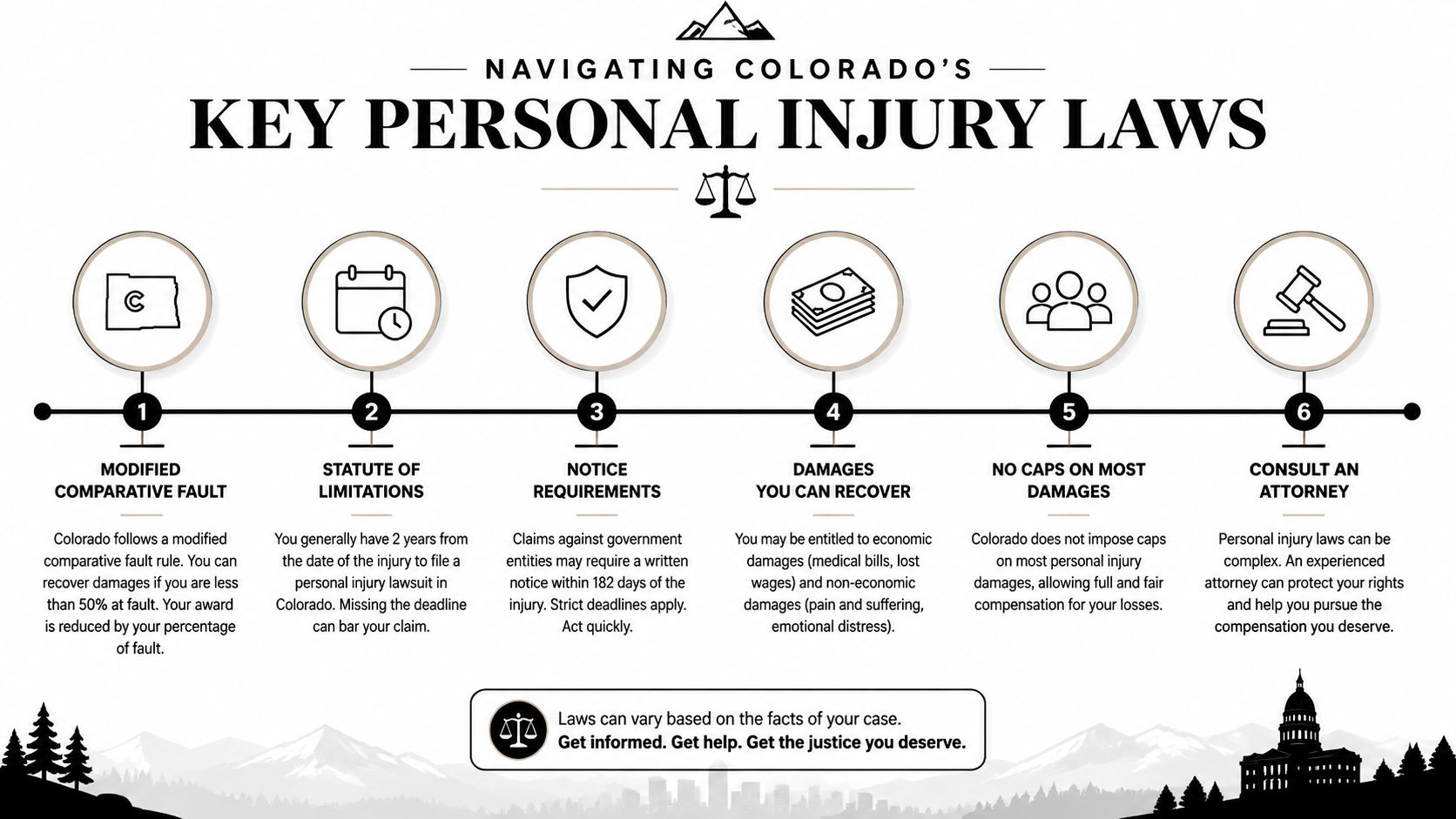
Colorado personal injury law becomes much less intimidating once you break it into two ideas. First, who pays when someone causes harm. Second, how long you have to act before the law cuts off your claim.
For Boulder accident victims, both questions matter early. If you wait too long to learn the rules, you can weaken your position long before you ever get near a courtroom.
Colorado uses an at fault framework
In everyday terms, an at-fault system means the person or company that caused the injury can be held financially responsible. That sounds simple, but the actual fight is usually over proof. Was the other driver distracted? Did a property owner ignore a dangerous condition? Did the insurer receive enough documentation to connect the injury to the accident?
This is why evidence gathered close in time to the event matters so much. Photos disappear. Vehicles get repaired. Memories soften. Surveillance footage may not last long. Even your own recollection can become less precise as days pass.
If you're reviewing release forms, repair documents, or insurance paperwork and want help spotting broad or confusing terms, a tool like an AI agent for contract analysis can help you read documents more carefully before you sign anything. It isn't a substitute for legal advice, but it can help you identify language worth asking about.
The deadlines that control your case
Colorado gives different filing windows depending on the type of injury claim. Motor vehicle accident claims carry a 3-year filing deadline from the incident date under C.R.S. § 13-80-101. General personal injury cases, such as falls or pedestrian strikes, have a 2-year deadline under C.R.S. § 13-80-102. Missing these deadlines permanently bars a lawsuit, regardless of the injury's severity, as summarized by Jordan Law's explanation of Colorado filing limits.
That rule catches people off guard because symptoms and legal deadlines don't move at the same pace. You may still be treating. You may still be waiting on a diagnosis. None of that automatically pauses the clock.
What this means in real Boulder situations
Boulder claims often involve more than traditional car crashes. A cyclist struck in an intersection, a pedestrian hit in a crosswalk, or a visitor injured on unsafe property may face the shorter filing period that applies to general personal injury claims rather than the motor vehicle deadline many people assume applies to everything.
A simple comparison helps:
| Claim type | General filing deadline in Colorado | Why it matters |
|---|---|---|
| Motor vehicle crash | 3 years | Auto cases get a longer window, but delay can still weaken evidence |
| Most other personal injury claims | 2 years | Falls, pedestrian cases, and similar claims may have less time than people expect |
For a fuller explanation specific to Colorado claims, this guide on the statute of limitations for personal injury in Colorado is useful.
Waiting doesn't just affect the deadline. It can also affect the quality of proof you need to win.
The safest approach is to treat time as part of the case, not just a calendar issue. Early legal advice helps preserve evidence, frame medical documentation, and prevent avoidable mistakes.
From Consultation to Compensation The Client Journey
Most injury claims feel mysterious because the client only sees fragments. A call with an adjuster. A doctor's appointment. A request for records. The full process becomes easier when you see it as a sequence rather than a storm of unrelated tasks.

Step one begins with the consultation
The first meeting is usually less dramatic than people expect. The attorney asks what happened, what injuries you've had, what treatment you've received, what insurance information exists, and whether there are witnesses, photos, or reports. This conversation also helps identify risks early, such as gaps in treatment or conflicting statements.
One practical reason this stage matters is insurance complexity. According to the Colorado Division of Insurance, a significant percentage of auto claims are initially disputed due to misunderstandings about Personal Injury Protection coverage, and Colorado Law Firm's discussion of PIP disputes notes that experienced counsel helps coordinate available benefits before pursuing the at-fault claim.
The investigation and treatment phase
Once representation begins, your lawyer typically starts collecting the pieces needed to support the claim. That may include crash reports, medical records, billing statements, photographs, witness information, and employer documentation if your income was affected.
At the same time, your medical treatment usually continues. This part can test a client's patience because it doesn't always look like legal progress from the outside. But it matters. If you settle before the injury picture is clear, you may resolve the claim before the full cost is known.
If you're preparing for your first meeting with counsel, this article on optimizing legal client intake documents offers helpful ideas on gathering the records and details that make early case review more efficient.
Negotiation usually comes after the case is documented
When treatment has progressed enough to understand the injury and its effects, the attorney may prepare a demand package. That package tells the story of the case through evidence, not just assertion. It lays out liability, treatment, losses, and the basis for compensation.
Insurers then respond in one of several ways:
- They engage seriously. The claim moves into active negotiation.
- They minimize the injury. They argue treatment was excessive, unrelated, or incomplete.
- They dispute fault. They try to reduce or avoid payment based on who caused the event.
A demand package is your case organized into a form the insurance company has to confront.
If settlement doesn't happen
Some cases settle without a lawsuit. Others don't. Filing suit doesn't mean the case is headed straight to trial. It means the claim moves into a more formal stage where deadlines, discovery, depositions, and court oversight shape the process.
That structure can be useful. It forces information exchange and shows the insurer that the claim won't disappear just because negotiations stalled. Many clients feel nervous at this point, but a well-prepared case often becomes clearer, not scarier, once formal litigation begins.
Understanding Contingency Fees and Legal Costs
One of the biggest reasons people delay calling a lawyer is cost. They assume hiring counsel means paying a large retainer up front while medical bills are already stacking up. In most personal injury cases, that isn't how the fee structure works.
The common model is a contingency fee. That means the attorney's fee is tied to the recovery in the case. If there is no recovery, the client typically doesn't owe an attorney fee. The point of that structure is access. It allows injured people to hire legal help without paying out of pocket at the start.
Fees and costs are not the same thing
Clients often hear these words as if they mean one thing. They don't.
| Term | What it usually means |
|---|---|
| Attorney fee | The lawyer's payment for legal work, usually calculated as part of the recovery |
| Case costs | Expenses incurred to move the case forward, such as filing fees, record charges, or expert-related expenses |
That distinction matters because you should know both how the attorney gets paid and how case expenses are handled. Some firms advance costs during the case. Some explain reimbursement terms in the fee agreement. You should ask for that in plain English.
Why contingency fees level the field
Insurance companies don't evaluate claims casually. They have adjusters, internal procedures, and defense lawyers available when needed. A contingency arrangement lets an injured person hire experienced counsel without having to match that spending power up front.
It also aligns incentives. The attorney has a direct interest in building the claim carefully and pursuing a meaningful result. That doesn't mean every case becomes a lawsuit. It means the lawyer has skin in the game.
If you want a clearer breakdown of how these agreements are usually structured, this explanation of what percentage personal injury lawyers take is a helpful starting point.
Questions to ask about money before signing
Don't be shy here. A good law firm should answer these questions comfortably.
- When is the fee earned? Ask whether the percentage changes if a lawsuit is filed or the case goes to trial.
- How are costs handled? Clarify whether the firm advances them and how reimbursement works.
- What happens if the case doesn't resolve successfully? You want the answer in writing, not just verbally.
For people who worry about missed calls or slow follow-up during intake, resources like Voicedial.ai legal call automation show how some firms improve responsiveness. That's not a substitute for attorney access, but it does highlight one practical issue worth asking about: how communication will work once you're a client.
Crucial Questions to Ask During Your Consultation
A consultation isn't just for the lawyer to evaluate your case. It's your chance to evaluate the lawyer. That matters in Boulder because firms vary widely in experience, communication style, and willingness to push a case when the insurer won't deal fairly.
The right questions help you get past polished websites and into substance. Top-rated personal injury law firms in the Boulder area have collectively recovered hundreds of millions of dollars for clients, with some individual firms securing over $100 million in verdicts and settlements, according to Super Lawyers' Boulder personal injury listings. Track record isn't everything, but it's one reliable way to test whether a firm has handled serious cases before.
Ask questions that reveal real experience
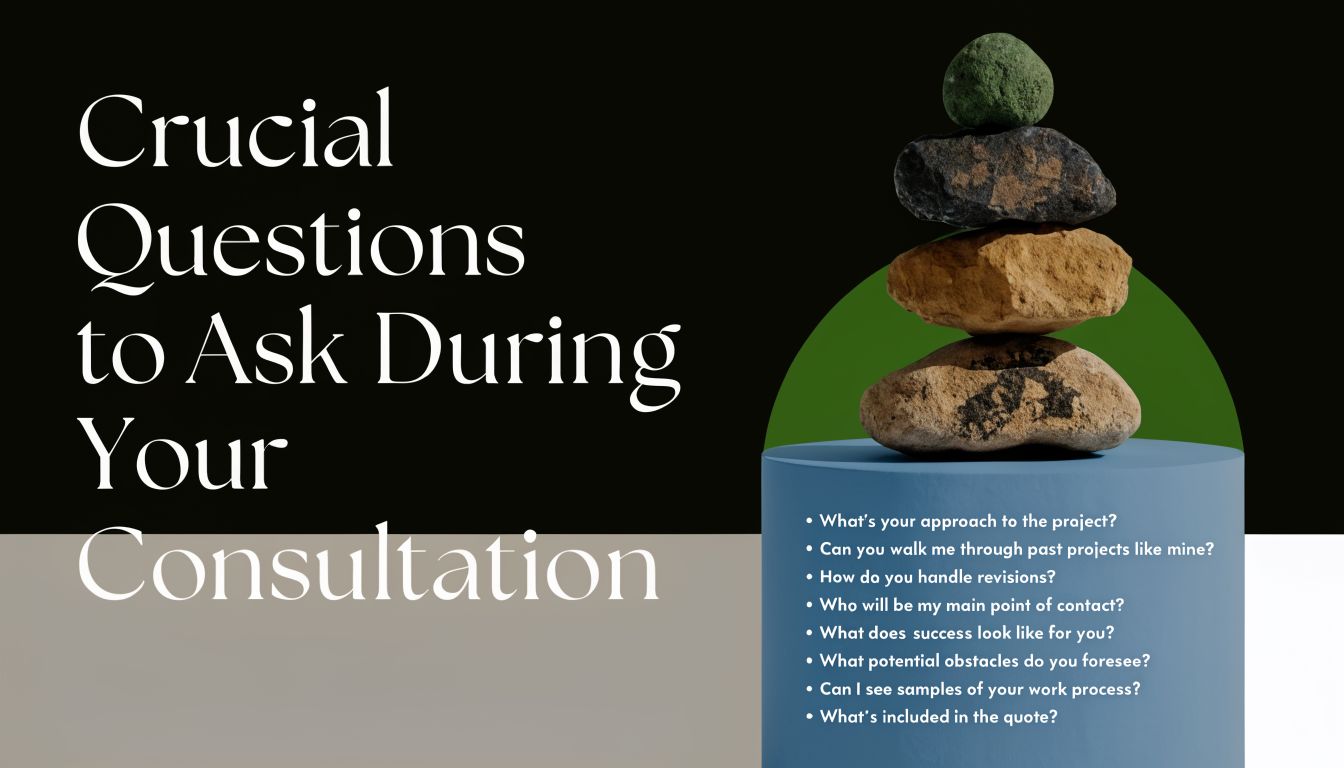
Some questions produce generic answers. Others force clarity. These tend to be more useful:
- Have you handled cases like mine before? A rear-end crash, truck wreck, pedestrian injury, or traumatic brain injury claim each raises different proof issues.
- What problems do you see in my case right now? You want honesty, not a sales pitch.
- Who will be my main contact? Some clients assume they'll always speak with the attorney they met. Ask how communication is handled.
Ask how the firm thinks, not just what it promises
A strong consultation should show you how the lawyer approaches decisions.
- If the insurer disputes fault, what evidence does the firm usually focus on first?
- If treatment is ongoing, when does the firm usually think settlement talks make sense?
- If the case doesn't settle, are they prepared to file suit?
The right lawyer should be able to explain strategy in plain language without sounding vague or theatrical.
Use the consultation to judge fit
Not every capable lawyer is the right lawyer for you. Some clients want frequent updates. Others want concise communication unless something important changes. Some need help understanding medical documentation. Others care most about trial readiness.
A useful consultation leaves you feeling clearer than when you walked in. It shouldn't leave you confused, rushed, or pressured to sign on the spot.
Here is a quick checklist you can use mentally during the meeting:
| What to look for | Why it matters |
|---|---|
| Clear answers | Confusing language now usually means frustrating communication later |
| Specific case analysis | Shows the lawyer is engaging with your facts, not reciting a script |
| Realistic expectations | Honest guidance is more valuable than inflated promises |
If a lawyer welcomes careful questions, that's usually a good sign. A consultation should feel like the beginning of an informed decision, not a high-pressure closing conversation.
Take the Next Step Toward Your Recovery
After an accident, control often feels like the first thing you lost. The legal process can give some of that control back, but only if you understand how it works. Once you know the deadlines, the role of evidence, the flow of a claim, and the questions to ask, the situation becomes more manageable.
That doesn't mean the process is easy. It means it becomes navigable.
A Boulder injury claim is rarely just about a damaged vehicle or one insurance conversation. It's about your health, your income, your time, and your ability to move forward without carrying someone else's negligence on your back. Getting reliable legal guidance early can protect all of those things.
If you're searching for a personal injury attorney Boulder because something just happened and you don't know what to do next, start with one step. Gather your documents. Write down what you remember. Get medical care. Then talk with a lawyer who can tell you, clearly and directly, what your options are.
If you want guidance specific to your situation, Nares Law Group LLC offers free, confidential consultations for injured people and families navigating crashes, truck wrecks, brain injuries, and wrongful death claims in Colorado. A conversation can help you understand your rights, your next steps, and what a strong plan looks like before you make any major decisions.