Winter in Colorado brings beauty but also danger on the roads. Snow, ice, and freezing rain increase the potential risks of winter travel, making it harder for drivers to stay safe. At Nares Law Group, we see firsthand how hazardous conditions can lead to serious crashes, particularly when large trucks are involved.
By understanding these risks and adapting your driving behavior, you can protect yourself and others. Below, we’ll outline key safety steps, explore how Driving Habits During the Winter should change, and explain when to seek help from a skilled car accident attorney if a crash occurs.
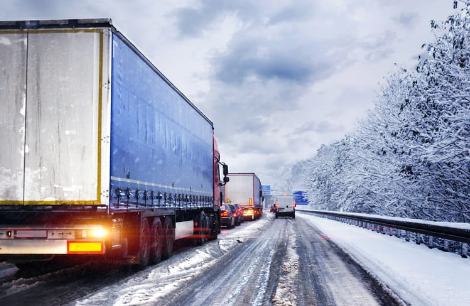
Understanding the Potential Risks of Winter Travel
Driving in winter comes with unique challenges that elevate accident risks:
- Reduced traction: Ice and snow make it harder to stop or control your vehicle.
- Longer braking distances: Especially dangerous when driving near large trucks.
- Limited visibility: Snowfall and icy windshields reduce driver awareness.
- Sudden weather changes: Conditions can shift quickly in Colorado.
The potential risks of travelling in winter increase significantly when drivers fail to prepare or ignore road warnings. Knowing what you face helps you make smarter decisions behind the wheel.
Preparing Your Vehicle for Winter Travel
Before heading out, vehicle preparation is critical to reduce the potential risks of winter travel:
- Check tires: Install winter tires or ensure proper tread depth.
- Test brakes and lights: Ensure they are functioning correctly.
- Maintain heating systems: Comfort matters during long drives in freezing weather.
- Keep emergency supplies: Blankets, food, water, and a first-aid kit can be lifesaving.
Even with preparation, remember that safe driving is just as important as a safe vehicle.
Driving Habits During the Winter: Staying Safe on Icy Roads
Changing your Driving Habits During the Winter is essential to minimizing crash risks:
- Reduce Speed: Driving slower gives you more control on slick roads.
- Increase Following Distance: Give extra space for braking, especially around trucks.
- Brake Gently: Sudden braking can cause skidding; ease into stops early.
- Use Engine Braking: Downshift when possible to maintain traction.
- Stay Alert: Watch for black ice and anticipate other drivers’ mistakes.
Failing to adapt your Driving Habits During the Winter often leads to avoidable crashes.
Knowing When to Delay Travel
Sometimes the safest choice is staying home. If forecasts predict heavy snow, ice, or freezing rain, weigh the potential risks of winter travel against your need to drive. Delaying travel until conditions improve protects not only your safety but also the safety of others sharing the road.
Legal Help After a Winter Travel Accident
Even with precautions, winter crashes still happen. Victims may face serious injuries, expensive medical bills, and time away from work. That’s when speaking with a car accident attorney becomes essential. An attorney can:
- Investigate whether negligence played a role in your accident
- Hold drivers or trucking companies accountable for unsafe behavior
- Handle insurance claims to secure fair compensation
- Represent you in court if necessary
If you’ve been injured in a winter-weather accident, don’t wait—your rights and recovery depend on swift legal action.
Contact a Car Accident Attorney in Colorado Today
At Nares Law Group, we understand the devastating consequences of winter-weather crashes. Our attorneys know the potential risks of winter travel and how they can impact accident claims. We work tirelessly to protect our clients’ rights and fight for fair compensation.
Call 720-772-8513 today or complete our online form to schedule a free consultation with a Colorado car accident attorney. Let us help you move forward safely after a crash.