
Golden Motor Vehicle Accident Lawyer
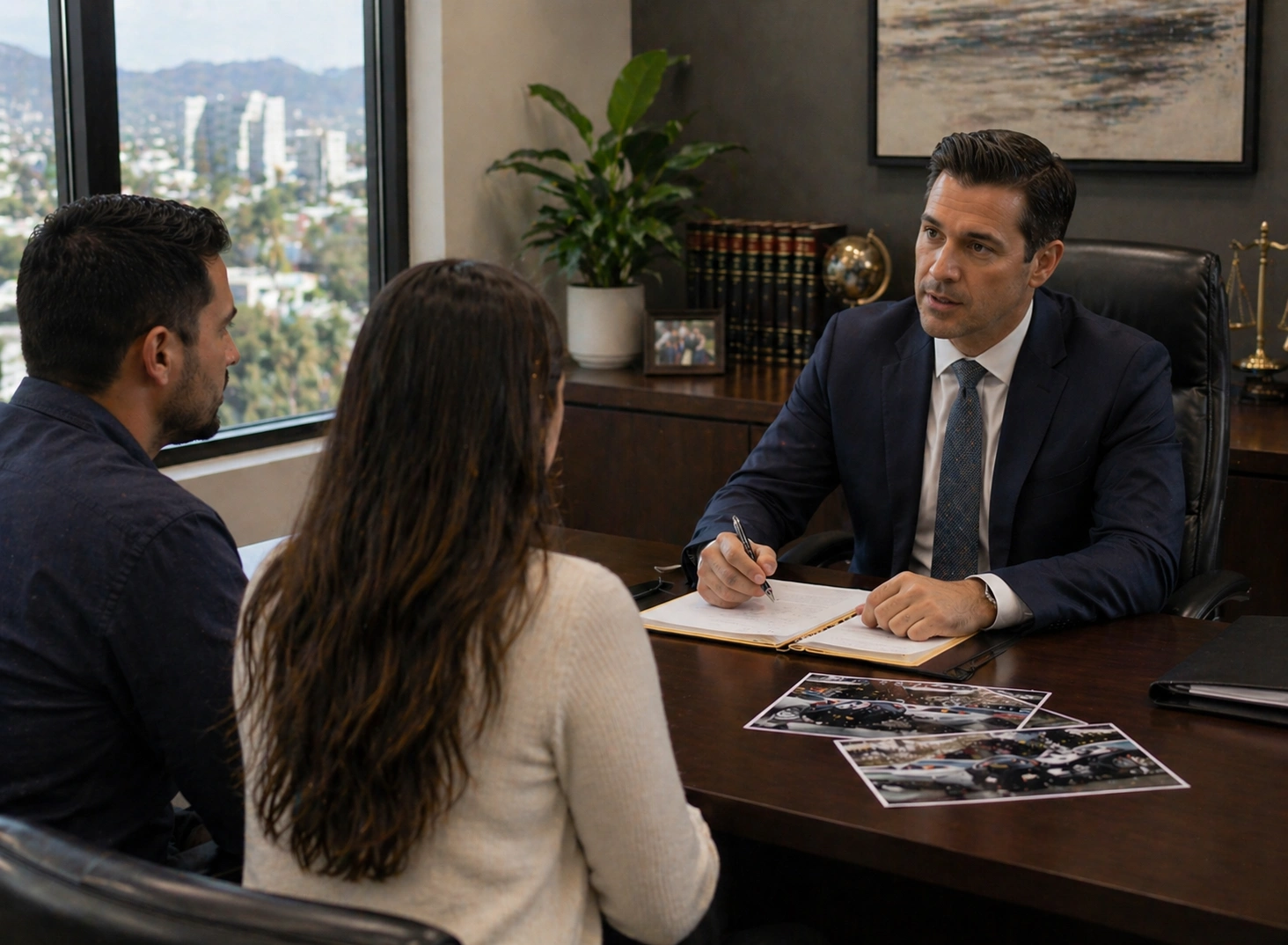
A serious crash in Golden can make a familiar drive feel strange for weeks. You may still pass the same streets, the same foothills, the same grocery store parking lot, but now your shoulders tense up when traffic slows or a car comes too close.
Maybe you were headed home from work or crossing town with your kids in the back seat. Then the impact came, and the rest of the day turned into police questions, phone calls, pain, and a car you could not safely drive.
The hard part often starts after everyone leaves the scene. You wait for a doctor to call back. You try to get through work while your neck stiffens. An adjuster asks for a statement before you even know what the imaging showed. Your family keeps asking if you are okay, and you are not sure how to answer.
At Nares Law Group, we help injured people and families in Colorado after serious vehicle crashes. If you need a Golden Motor Vehicle Accident Lawyer, we can help you understand the claim, protect the proof, and deal with the insurance pressure before quick decisions create bigger problems.
Why A Golden Motor Vehicle Accident Lawyer Matters After A Serious Accident
A motor vehicle accident claim can feel simple at first. One driver made a mistake. Someone got hurt. Insurance should step in and make things right.
Then the questions start.
The other driver may tell a different version. The insurer may ask why you waited two days to see a doctor. A prior back problem may suddenly become the focus. The crash report may leave out details you noticed at the scene.
A good claim needs more than a short summary of the impact. It needs to show what happened, why it happened, and how the injury followed you into normal life.
For a serious crash, that may include:
- Photos of the vehicles and scene
- Witness information
- Medical records and treatment notes
- Work records and missed income
- Repair or total loss documents
- Notes about pain, sleep, driving fear, and daily limits
- Insurance communications
A Golden Motor Vehicle Accident Attorney should not treat your claim like a stack of forms. The evidence has to tell a clear story. So does your medical care. So does the way your routine changed after the crash.
How Motor Vehicle Accidents Happen In Golden
Golden has a mix of local traffic, commuter routes, visitors, cyclists, pedestrians, and commercial vehicles. That mix can make everyday driving more unpredictable than it looks from the outside.
Some crashes happen because a driver is distracted for one second too long. Others come from speeding, close following, unsafe turns, poor lookout, lane changes, or drivers who misjudge how quickly traffic will slow. A crash can also involve more than two vehicles, especially when one impact pushes a car into another lane or intersection.
The location can matter. So can the timing. Morning traffic feels different from a late afternoon drive. A driver unfamiliar with Golden may hesitate, turn late, or brake suddenly. A local driver may move too quickly through a route they know well.
If you want more background on how crashes unfold, our guide to the stages of a motor vehicle collision explains why the sequence of events can matter. For cases involving several vehicles, our article on multi-vehicle accident case support may also help you understand why fault can take more work than people expect.
A careful review can bring those details forward before they fade.
Injuries And Real-Life Impact
Not every injury shows itself at the scene. Some people feel sore but steady. Then the next morning comes, and getting out of bed feels different. The headache sticks around. The lower back tightens. Turning your neck to check traffic hurts more than it should.
Common crash injuries may include:
- Concussions and brain injuries
- Neck and back injuries
- Herniated discs
- Shoulder, knee, and wrist injuries
- Broken bones
- Nerve pain
- Internal injuries
- Cuts, bruising, and facial injuries
- Sleep problems
- Driving anxiety
- Chronic pain
The medical terms matter, but they do not capture the whole problem. A neck injury may make work hard. A concussion may make screen time difficult. Back pain may turn a short errand into the only thing you can do that day.
Families feel the change too. Someone else may need to drive the kids. Dinner may become takeout because standing hurts. You may sound patient on the phone, then lose that patience at home because pain wears people down.
Those details are not small. They help explain the difference between being technically able to function and actually feeling like yourself again.
What To Do After The Accident Or Injury
The days after a crash can feel crowded. Medical visits, insurance calls, repair questions, and missed work can all land at once. You do not need to handle everything perfectly, but a few choices can protect both your health and your claim.
Helpful steps include:
- Get medical care as soon as you can
- Tell your doctor about every symptom, even the ones that seem minor
- Keep bills, prescriptions, discharge papers, and referrals
- Take photos of injuries, vehicle damage, and the scene if available
- Write short notes about pain, sleep, driving fear, and daily limits
- Save messages from insurers and other parties
- Avoid recorded statements without legal guidance
- Do not accept a quick settlement before your condition is clear
Your notes can be simple. “Headache after grocery store.” “Back pain after sitting 30 minutes.” “Could not drive past the same road today.” Those details can help later, especially when symptoms change from week to week.
A Golden Motor Vehicle Accident Lawyer can help connect those daily problems to the crash evidence, treatment records, and insurance claim.
How Nares Law Group Helps Build The Claim
At Nares Law Group, we start with the facts, but we do not stop there. We want to understand what the crash changed for you. The claim should reflect the accident, the medical picture, and the effect on your life.
We may help by reviewing the crash report, gathering photos and witness details, organizing medical records, tracking lost wages, handling insurance calls, and preparing a demand when the treatment picture becomes clearer. If the insurer refuses to take the claim seriously, litigation may become part of the process.
Timing matters. Some claims should not be rushed because symptoms are still developing or treatment is still active. Other parts need quick attention, especially if evidence may disappear.
For more detail on how claims are prepared, our article on the demand preparation stage of a personal injury case explains what can go into a strong demand. Our guide to the settlement process in a personal injury case can also help you see what may happen after the evidence is organized.
Insurance Issues And Common Pushback
Insurance companies often sound calm and helpful in the beginning. Then the tone can shift. A question about your health becomes a question about whether you are exaggerating. A request for medical records becomes a search for old pain complaints. A quick offer starts to feel less like help and more like pressure.
Common pushback may include:
- You waited too long to get treatment
- Your injuries came from an old condition
- The vehicle damage was not serious enough
- You were partly at fault
- Your treatment was too long or too expensive
- You went back to work, so you must be fine
- You should settle before the claim gets harder
This is where people get worn down.
A claim should answer pushback with proof. That proof may include treatment notes, imaging, work records, photos, witness statements, and a clear timeline of symptoms. If a hit-and-run issue is involved, our resource on Colorado hit-and-run accident compensation may be useful for understanding another layer of insurance concerns.
Compensation And Long-Term Losses
No two crash cases have the same value. The facts, injuries, treatment, insurance coverage, and long-term limits all matter.
A motor vehicle accident claim may include compensation for:
- Emergency room care
- Hospital visits
- Follow-up appointments
- Physical therapy
- Diagnostic testing
- Surgery
- Medication
- Future treatment
- Lost income
- Reduced earning ability
- Pain and suffering
- Loss of normal activities
- Vehicle damage and related costs
- Wrongful death damages when a family loses someone
The future should not be ignored. Some injuries improve quickly. Others settle into daily life in ways an insurer may minimize. Maybe you can work, but only with breaks. Maybe you can drive, but avoid certain roads.
Settlement should not happen before those questions are clear. Once a claim is closed, you may not get another chance to ask for help with later needs.
Speak With Nares Law Group About Your Case
A serious crash can leave you feeling like everyone wants an answer before you are ready to give one. The insurance company wants a statement. Work wants a timeline. Your family wants reassurance. Your body may still be giving you new information every day.
You do not have to handle that alone.|
At Nares Law Group, we help injured people and families in Colorado understand what comes next after serious motor vehicle accidents. We can review what happened, explain your options, and help you avoid rushed decisions while the claim is still taking shape.
If you need a Golden Motor Vehicle Accident Lawyer, you can contact us to talk through your situation. Ask questions before signing forms, giving statements, or accepting money that may not reflect the full cost of the crash.
Nares Law Group LLC
Frequently Asked Questions
How Do I Know If I Have A Motor Vehicle Accident Claim?
You may have a claim if another person’s careless driving caused your injury. A review of the crash facts, medical records, insurance coverage, and available evidence can help answer that question.
What If I Did Not Feel Pain Right Away?
Delayed pain is common. Adrenaline can hide symptoms at the scene. Headaches, neck pain, back pain, dizziness, and stiffness may show up later. Get medical care and explain when each symptom started.
Should I Give A Recorded Statement?
Be careful. A recorded statement may feel routine, but early answers can miss symptoms or details. It is smart to get legal guidance before giving a full statement to an insurer.
What If The Other Driver Blames Me?
Do not accept blame based only on what the other driver or insurer claims. Fault should come from evidence. Photos, witness statements, vehicle damage, and the crash timeline can all matter.
When Should I Call A Golden Motor Vehicle Accident Lawyer?
Call when your injuries are serious, your pain continues, fault is disputed, or the insurance company pressures you. Early help can protect evidence and reduce avoidable mistakes.