One Decision Can Change More Than One Life: The Lasting Impact of Impaired Driving
December is a month filled with travel, celebrations, family gatherings, and time spent with the people who matter most.
It is also a time when the roads can become especially dangerous.
Impaired driving is often discussed as a matter of personal responsibility, but the consequences rarely affect only the person behind the wheel. One impaired-driving crash can permanently change the life of an injured person, their family, their career, their independence, and their future.
And impairment is not limited to alcohol.
Cannabis, prescription medications, certain over-the-counter medications, and combinations of substances can all affect the skills needed to drive safely. Someone does not have to feel obviously impaired for reaction time, attention, judgment, or coordination to be affected.
That is why planning ahead matters — especially during a season when driving, celebrations, and changing routines often overlap.
Impairment Is Not Always Obvious
When people hear the phrase “impaired driving,” alcohol is often the first thing that comes to mind.
But impairment can take many forms.
Prescription medications may cause drowsiness, slowed reaction time, dizziness, or difficulty concentrating. Some over-the-counter medications can affect alertness. Cannabis may influence perception, coordination, reaction time, and judgment.
Combining substances can make those effects even harder to predict.
One of the most dangerous assumptions a driver can make is that feeling “fine” means they are safe to drive.
The ability to operate a vehicle safely depends on dozens of split-second decisions: noticing a pedestrian, reacting to a changing light, judging the speed of another vehicle, recognizing a hazard, or braking quickly enough to avoid a collision.
Even a small delay can have serious consequences.
A Crash Lasts Seconds. The Injuries Can Last a Lifetime.
Motor vehicle crashes can cause devastating injuries even when the vehicles themselves do not appear dramatically damaged.
For survivors, the effects can continue long after the crash scene has been cleared.
Serious injuries may include:
- Traumatic brain injuries
- Concussions
- Spinal cord injuries
- Fractures and orthopedic injuries
- Internal injuries
- Nerve damage
- Chronic pain
- Cognitive and neurological changes
- Emotional and psychological trauma
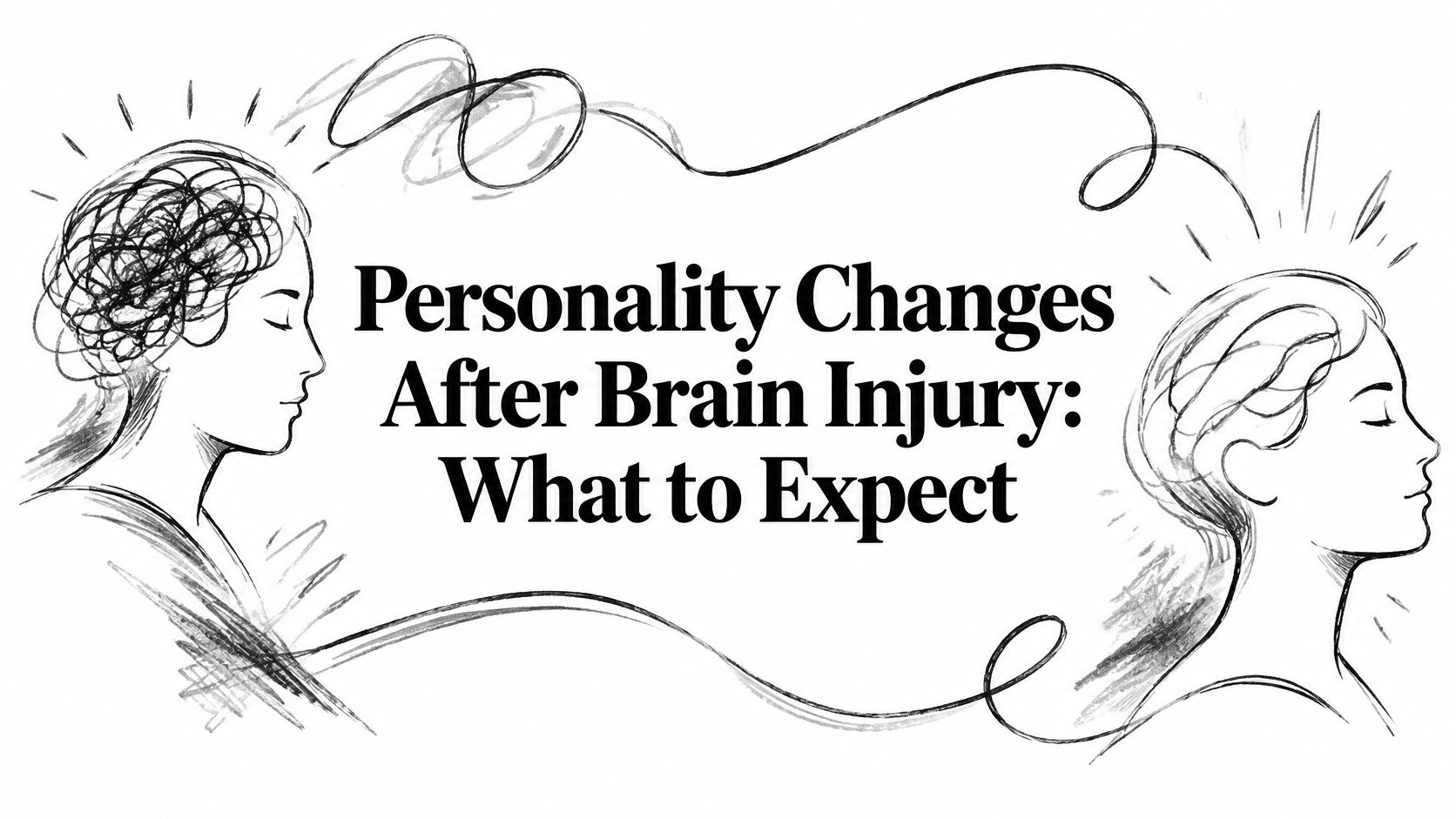
A brain injury in particular can alter nearly every part of a person’s daily life.
Someone may struggle with memory, concentration, processing speed, fatigue, emotional regulation, balance, communication, or executive functioning.
The person may look physically recovered while continuing to experience symptoms that affect work, parenting, relationships, and independence.
That disconnect between what an injury looks like and what the survivor is actually experiencing can make recovery even more difficult.
The Impact Reaches the Entire Family
A catastrophic injury does not happen in isolation.
Families often find themselves taking on new responsibilities overnight. A spouse may become a caregiver. Children may see a parent struggle with abilities they once took for granted. Careers may be interrupted. Household responsibilities may change.
Medical appointments, rehabilitation, transportation, lost income, and future care needs can become part of everyday life.
Those changes can continue for months or years.
For families navigating a serious injury, the real cost of a crash is rarely captured by an emergency-room bill alone.
It can include the loss of independence, changes in earning capacity, future medical treatment, rehabilitation, assistive services, and the emotional toll of adjusting to a life that looks different than it did before the crash.
Why Impaired-Driving Injury Cases Can Be Complex
When an impaired driver causes a serious crash, the circumstances surrounding the collision matter.
A legal investigation may look at questions such as:
- What caused the crash?
- Was alcohol, cannabis, medication, or another substance involved?
- Was the driver cited or arrested?
- Were there witnesses?
- Is there surveillance or dash-camera footage?
- What do vehicle data and crash-scene evidence show?
- What injuries resulted from the collision?
- What medical care will the injured person need in the future?
- How has the injury affected the person’s ability to work and live independently?
In serious injury cases, understanding what happened on the road is only one part of the process.
It is equally important to understand what the crash has changed for the survivor.
The Full Picture of a Serious Injury Matters
Some injuries are immediately visible.
Others are not.
A person with a brain injury may be able to walk, speak, and answer questions while still experiencing significant problems with memory, attention, balance, emotional regulation, or processing information.
That is why serious injury cases often require a deeper look at the survivor’s life before and after the crash.
The goal is not simply to document a diagnosis.
It is to understand the effect of that diagnosis on the person’s ability to work, care for themselves, participate in relationships, pursue activities they once enjoyed, and plan for the future.
At Nares Law Group, we believe those details matter.
A serious injury case should reflect the life that was changed — not simply the incident that caused it.
Planning Ahead Can Prevent a Life-Changing Decision
The safest decision is often made before anyone gets behind the wheel.
If a celebration involves alcohol, cannabis, medications, or anything else that may affect alertness or coordination, plan transportation ahead of time.
That might mean:
- Choosing a designated driver
- Using a rideshare service
- Staying overnight
- Arranging a ride with a friend or family member
- Reading medication warnings before driving
- Avoiding combinations of substances that may increase impairment
It can feel like a small decision in the moment.
But that decision may protect far more than one person.
Moving Into the New Year With Intention
December naturally invites reflection.
As one year ends and another begins, many of us think about what matters most — family, health, community, and the people we want to protect.
Road safety is part of that responsibility.
A moment of planning, a decision to hand over the keys, or a willingness to speak up when someone should not drive can prevent consequences that last far beyond the holiday season.
And when a preventable crash does occur, survivors deserve to have the full impact of their injuries understood.
Nares Law Group represents people and families facing serious brain injuries and other life-changing injuries caused by motor vehicle crashes. If you or someone you love has been seriously injured by an impaired driver, contact our team to learn more about your legal options.