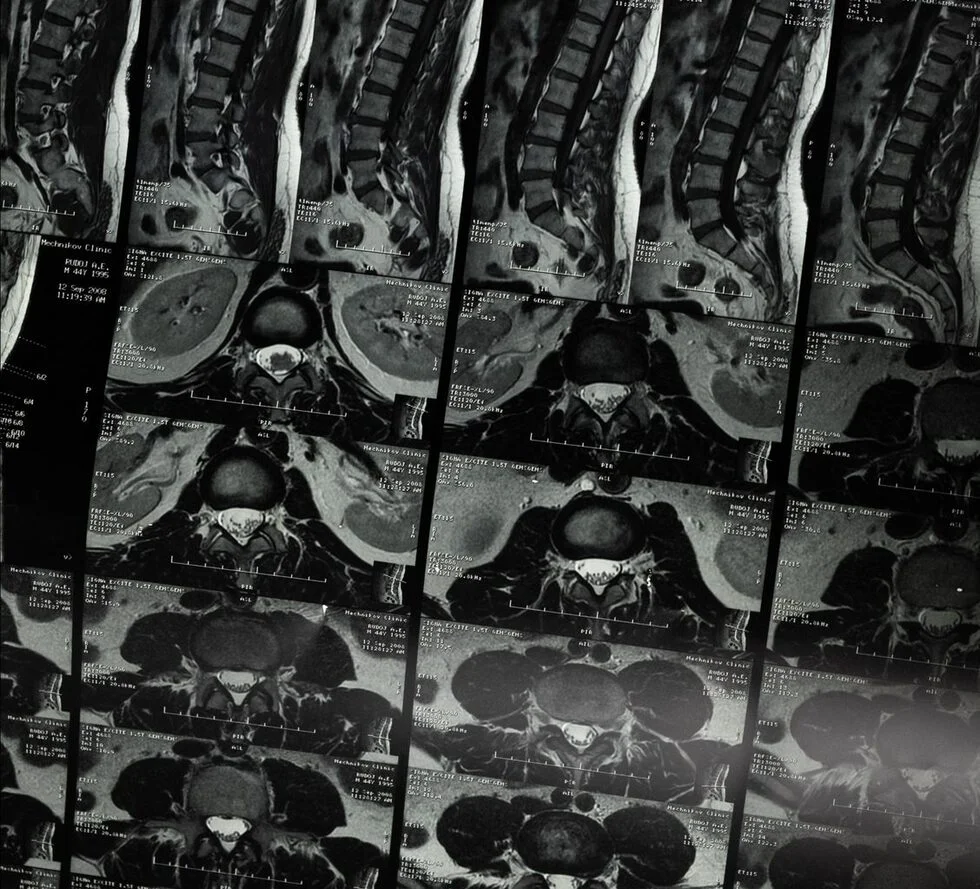
For those living with paralysis or severe spinal cord damage, spinal cord injury clinical trials represent more than just medical research—they represent hope. Breakthrough treatments like biopolymer scaffolds and regenerative therapies are paving the way for new possibilities. But while science advances, many victims must also deal with legal, financial, and personal challenges. This is where a spinal cord injury lawyer or spinal cord accident attorney can help protect their rights and secure the resources needed for long-term care.
The Promise of Spinal Cord Injury Clinical Trials
Clinical trials are research studies designed to test new treatments and medical devices. In the field of spinal cord injuries, these trials focus on therapies aimed at:
- Restoring nerve communication
- Reducing scar tissue and cyst formation
- Regenerating damaged tissue through implants or scaffolds
- Improving mobility and independence
One notable study involved an absorbable biopolymer scaffold placed in the thoracic spine. Early results showed participants regaining partial sensation and movement compared to patients who did not receive the intervention. These outcomes highlight how spinal cord injury clinical trials may transform the future of rehabilitation.
Jason Cervantes: A Case Study in Courage
The story of Jason Cervantes from Chico illustrates the real-world impact of clinical research. After a vintage truck accident left him paralyzed from the waist down, Jason enrolled in a nationwide trial at UC Davis Health. Led by Dr. Kee Kim, this study tested the neuro-spinal scaffold, a device designed to support healing and regeneration.
Although the personal outcome of Jason’s trial remains uncertain, his participation contributes to medical progress and inspires other spinal cord patients to consider involvement in research.
How Spinal Cord Injury Clinical Trials Work
The process of participating in a trial typically involves:
- Eligibility screening: Doctors determine whether the injury type, severity, and patient health fit the study’s requirements.
- Randomization: Patients may be assigned to a control or treatment group.
- Treatment: Interventions like scaffolds, stem cells, or medications are administered.
- Follow-up: Patients undergo monitoring and assessments to measure outcomes and side effects.
These trials are often lengthy, with follow-ups lasting months or even years. However, they provide opportunities for patients to access groundbreaking therapies unavailable in standard care.
The Role of Biopolymer Scaffolds in Spinal Cord Injury Clinical Trials
The neuro-spinal scaffold developed by InVivo Therapeutics Corp. represents one of the most promising technologies in the field. This porous device is inserted into the damaged spinal cord, where it gradually dissolves while supporting nerve regeneration.
- Target area: Thoracic spine (T1–T12)
- Purpose: Encourage regrowth and prevent further collapse of injured tissue
- Results: Patients reported improved sensation, reduced complications, and, in some cases, partial mobility gains
Clinical results published in leading journals like Neurosurgery indicate the potential for significant quality-of-life improvements.
Why Legal Guidance Matters Alongside Medical Research
While medical advancements bring hope, many spinal cord injury victims also face overwhelming financial strain. Medical bills, rehabilitation, adaptive equipment, and home modifications can cost millions over a lifetime.
That’s why understanding your rights—and pursuing compensation when negligence caused the injury—is crucial. A spinal cord injury lawyer or spinal cord accident attorney can help by:
- Investigating the cause of the accident (vehicle collisions, workplace incidents, defective products, etc.)
- Filing lawsuits against negligent parties
- Pursuing damages for medical costs, lost wages, and pain and suffering
- Coordinating with medical experts to project long-term care expenses
For patients in clinical trials, legal compensation can cover uncovered costs and ensure continued access to care.
Damages Available in Spinal Cord Injury Lawsuits
Victims may be entitled to both economic and non-economic damages, such as:
- Hospitalization, surgeries, and therapy expenses
- Lifetime rehabilitation and medical equipment costs
- Lost earning capacity due to permanent disability
- Emotional distress, depression, and loss of independence
- Pain and suffering, including diminished enjoyment of life
These damages reflect the profound personal and financial burden of spinal cord injuries.
Spinal Cord Injury Clinical Trials and the Future of Recovery
While results vary, the findings from spinal cord injury clinical trials provide hope for thousands of patients each year. The progress achieved through biopolymer scaffolds and regenerative therapies may one day make wheelchairs unnecessary for many patients.
Until then, combining medical innovation with strong legal advocacy gives victims the best chance at recovery and stability. Partnering with a spinal cord accident attorney ensures their immediate and long-term needs are met.
Contact a Spinal Cord Injury Lawyer in Colorado
If you or a loved one has suffered a spinal cord injury, you may qualify to participate in spinal cord injury clinical trials—and you may also have legal options for compensation. At Nares Law Group, our attorneys fight for spinal cord victims, ensuring they receive both cutting-edge treatment opportunities and fair financial recovery.
Call 720-637-7786 today or fill out our online form to schedule a free consultation with a trusted spinal cord injury lawyer. Let us protect your future while you focus on healing.